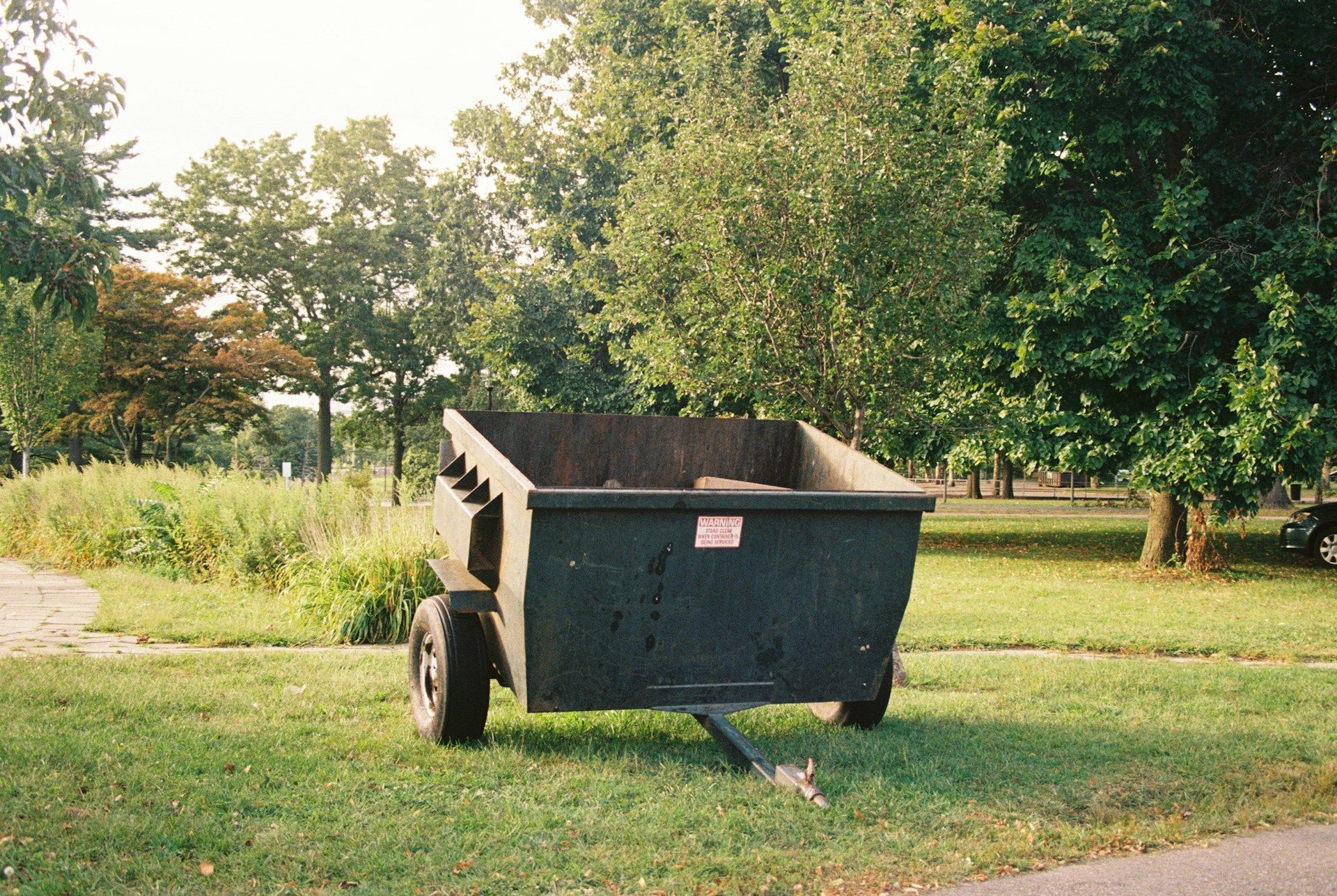
How Contractors Plan Roll-Off Dumpster Deliveries Across Job Sites
When you're juggling multiple job sites, things can get messy fast. Between finishing one phase and starting the next, you’re managing debris, deliveries, and deadlines. That’s where a contractor dumpster rental makes a real difference. With the right setup, waste removal doesn’t slow you down, it keeps the job moving forward.
Keeping projects on track takes more than just a good crew and solid plan. It takes the right tools showing up where and when you need them. In places like Kansas City, Missouri, winter brings its own set of complications. Frozen ground, icy driveways, and unpredictable delays make scheduling even more important. That’s why having a clear plan for roll-off dumpster deliveries isn’t just helpful, it keeps the whole job site steady and organized.
Coordinating Dumpster Deliveries Based on Project Timelines
Every job site runs on a timeline, and those timelines don’t always line up. One crew might be halfway through demolishing the kitchen on one house, while another is laying concrete across town. Planning when and where dumpsters land helps keep cleanup and progress in sync.
• Work phases determine dumpster demand. Demolition typically needs a container first, followed by framing or roofing, which adds more debris later.
• Weather delays in January are common in Kansas City, so building in buffer time for dumpster drop-offs keeps you covered when the forecast shifts.
• Lining up delivery windows with project starts can save time and space, so there’s no idle container sitting unused in the cold.
When deliveries are tied into the project’s daily flow, dumpster usage becomes part of the routine instead of a last-minute request.
Matching Dumpster Sizes to Job Site Needs
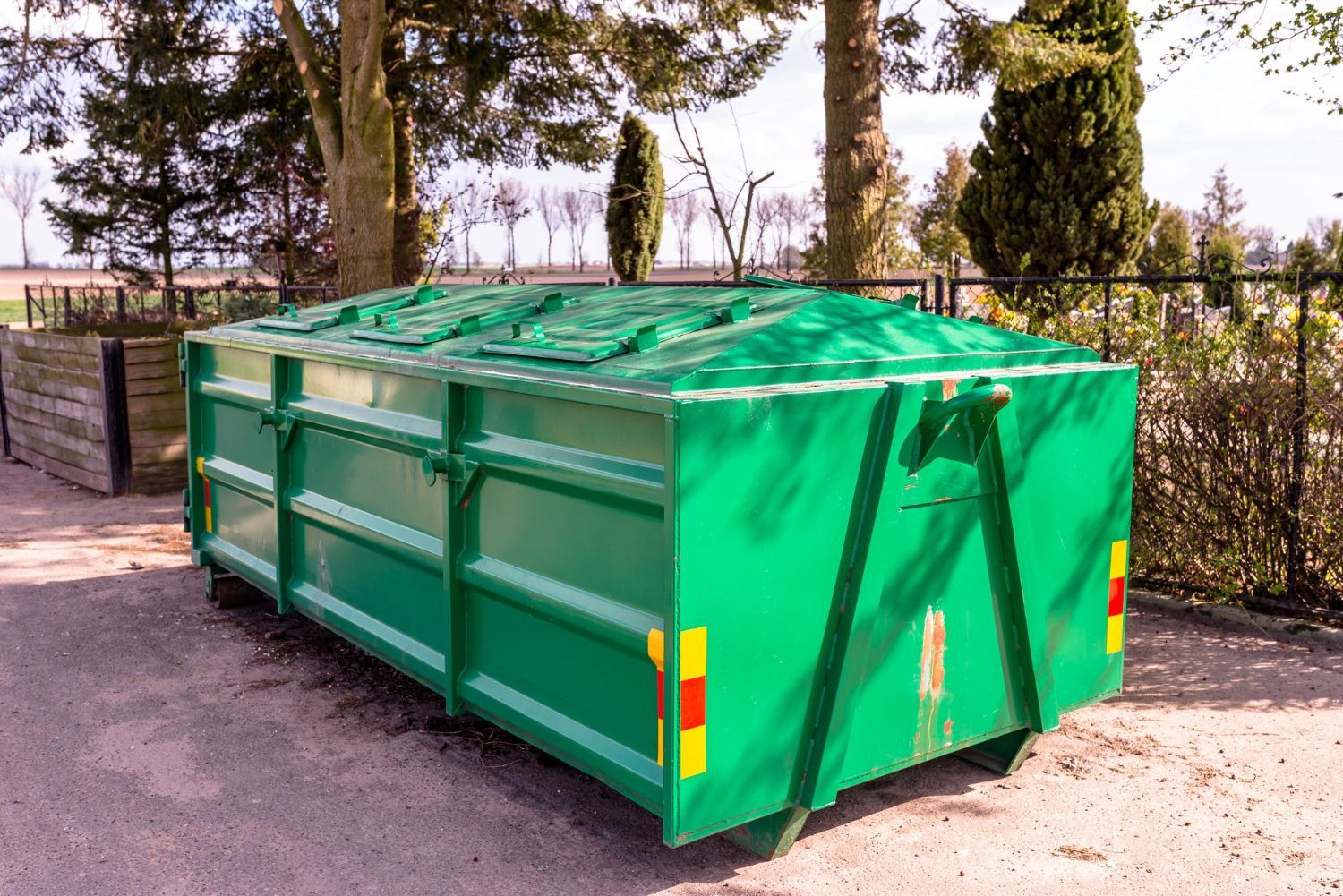
Not every site needs the largest dumpster available. By choosing containers based on what’s loading into them, we avoid backup and help things run smoother. A roofing project piling up shingles fills differently than a basement remodel loaded with drywall and flooring.
• A 12-yard container works well for small renovations or touch-ups.
• For mid-range jobs with mixed debris, a 20-yard option keeps things balanced without eating up room.
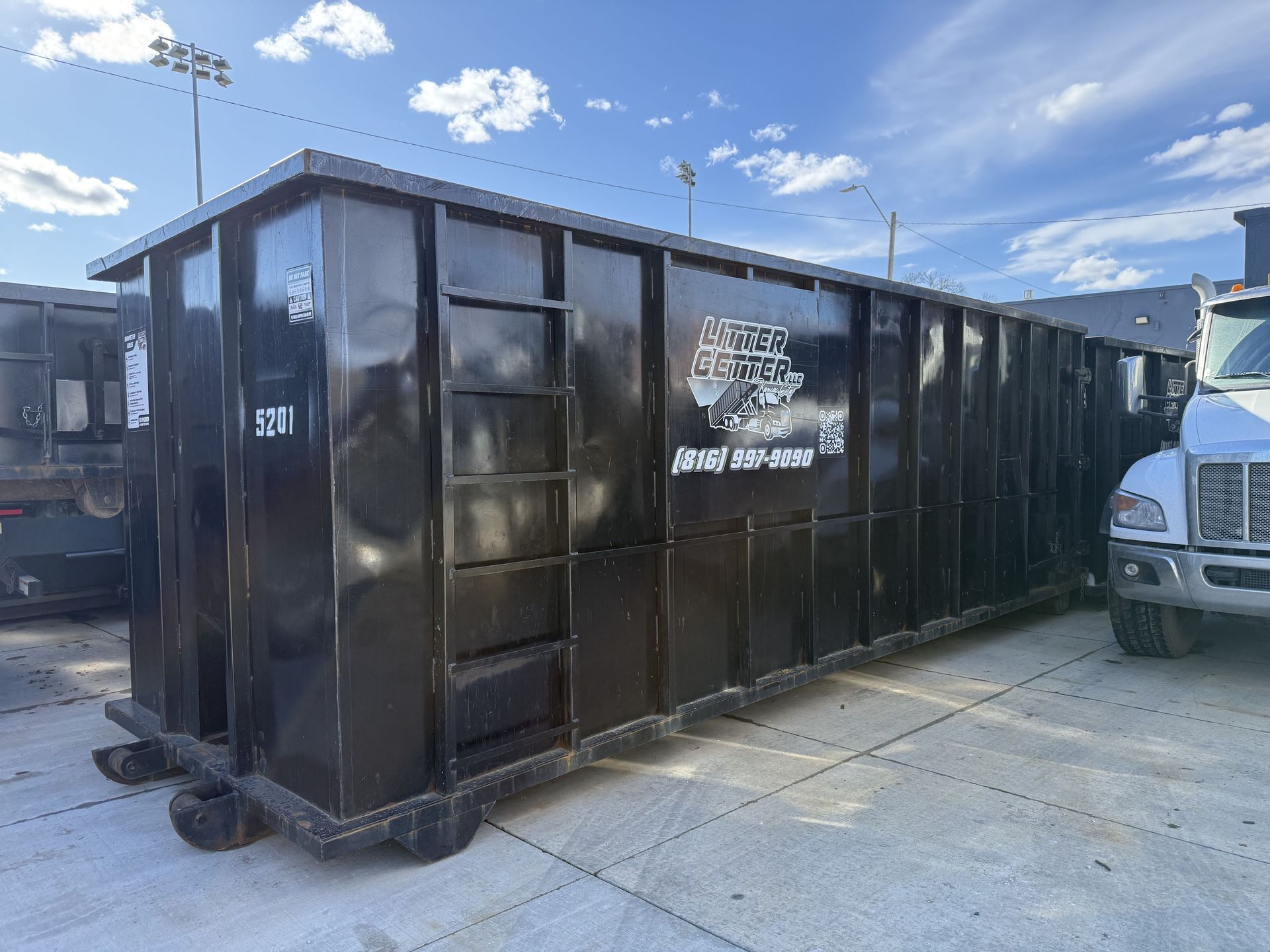
• Large projects like full rebuilds or new construction usually call for a 30- or 40-yard to hold heavier waste like concrete or lumber.
Choosing the right size for each stop avoids overfilling one location while another sits half-empty. With jobs stretched across different neighborhoods or counties, matching container size to workload matters more than ever.
Using One Rental Plan to Cover Multiple Projects
Coordinating roll-off dumpsters across many sites doesn’t have to be complicated. Having a single plan that covers all locations helps streamline the whole process. When we work off one logistics plan, we’re not tracking a dozen separate orders, we’re checking one shared schedule.
• When we handle drop-offs and pickups citywide, timing deliveries becomes more flexible.
• A single contact point makes requests and updates faster, especially when Kansas City weather throws a curveball or job site conditions shift.
• Regular communication helps line up tight turnaround times between deliveries, so there’s no pause between containers.
A shared rental strategy means less time spent juggling vendors and more time on the build.
Planning for Pickup and Replacement
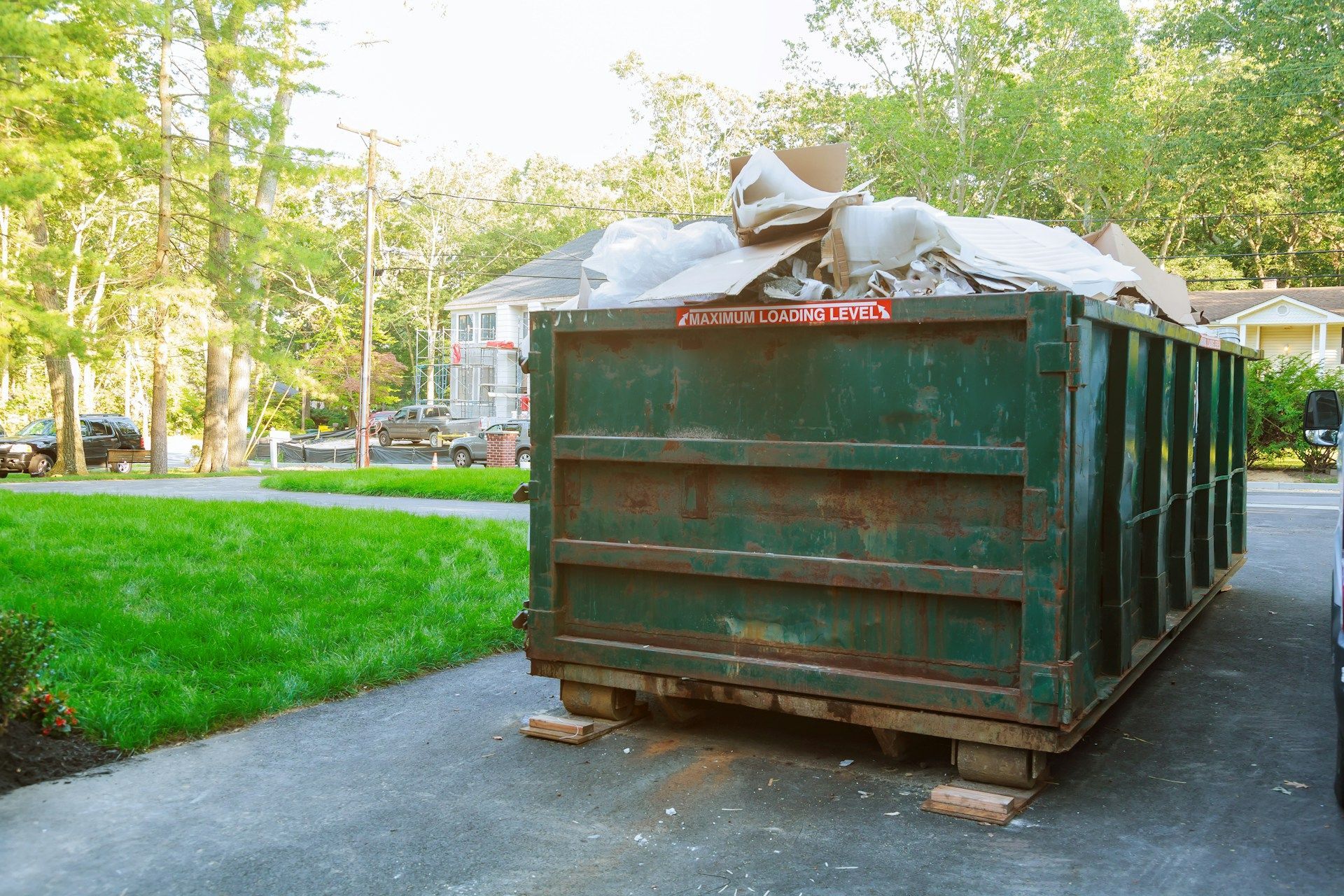
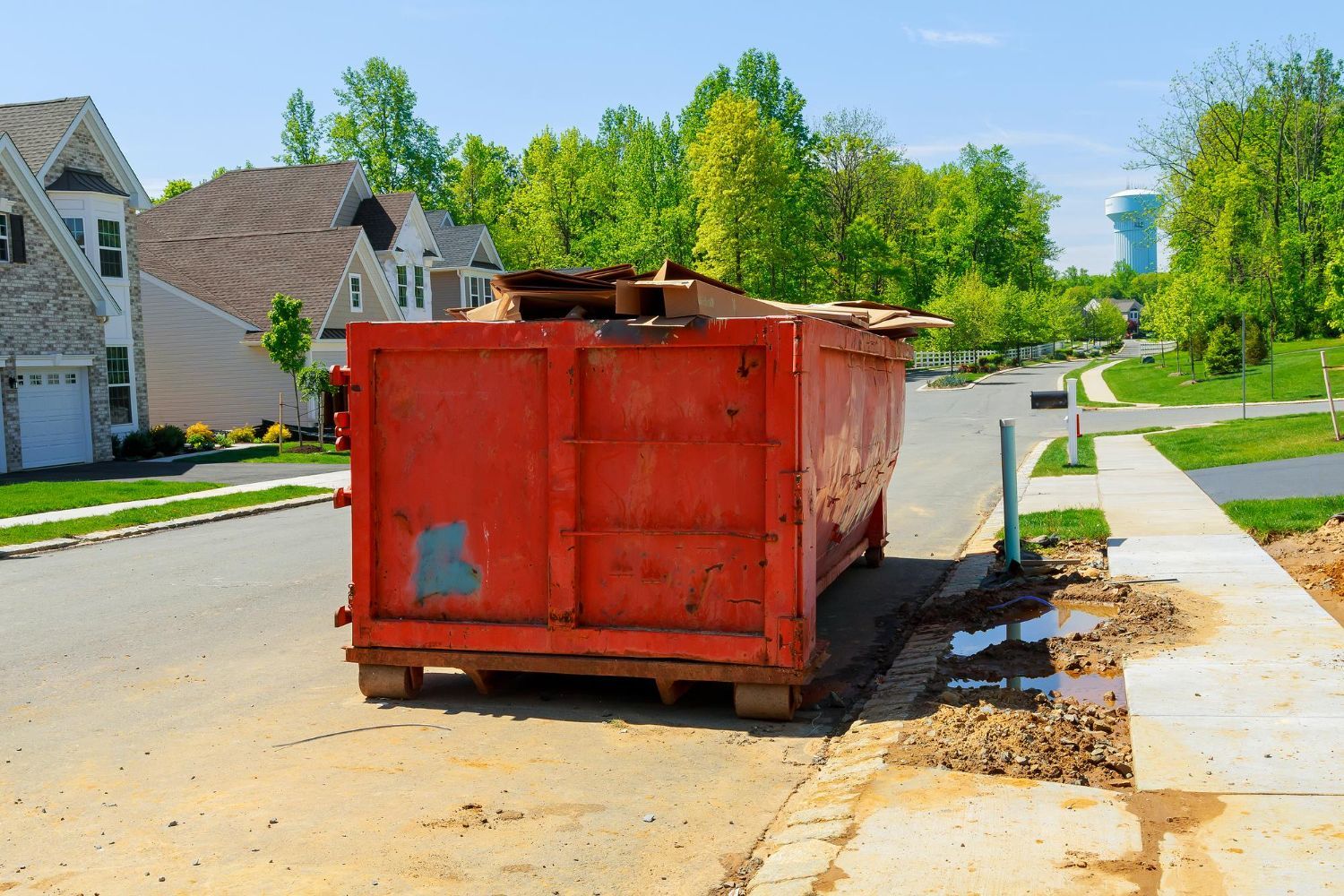
Once a container is full, it needs to leave fast, especially in winter, when snow or ice can slow things down. If crews have to wait around for a pickup, debris stacks up and the site crams with waste.
We plan pickups based on where each project is in its timeline.
• After demolition is done, it’s time to clear the waste and prep for what’s next.
• Framing and rough-ins also come with their share of cleanup, so a mid-project swap may be needed.
• Larger builds might fill up more than one container, so having a back-to-back pickup and replacement ready is key.
A good pickup routine avoids blockages on site and lets us stay locked onto daily goals, no matter the job.
Tools That Help Contractors Stay Organized
Nobody likes surprises on a busy job site. A little planning ahead and a few simple tools can make dumpster scheduling second nature. Most contractors we know already use tools like shared calendars or whiteboards to sketch out the week’s work. Adding dumpster timing to that list isn't a big shift.
• Shared calendars help teams across different locations line up deliveries and adjust on short notice.
• Job site logs show what got dropped, when it got picked up, and what’s still waiting.
• Simple reminders or checklists keep container requests from falling through the cracks, especially during weather delays.
We don’t need anything fancy here. Just enough planning to keep the work flowing, even with snow on the ground or temperatures dipping into the 20s.
Better Job Site Flow Starts with a Simple Plan
When our dumpster strategy feels as solid as our framing work, the rest of the build tends to fall into place. The job flows better when containers are sized right, delivered on time, and swapped without delays. That kind of planning makes moving across job sites easier, even with different crews and locations.
Plan Smarter for Kansas City Projects
One of the biggest advantages we offer is a large service area that covers Kansas City, Overland Park, Lee's Summit, and many surrounding communities. We specialize in fast turnaround on both drop-offs and pickups, so contractors can keep work moving even during weather shifts. Plus, each dumpster rental includes transparent scheduling options to fit your preferred timeline.
Managing projects across multiple job sites during the winter means debris control needs to be seamless at every stage. We support Kansas City, MO contractors with dependable dumpster setups for demolition, framing, and site-to-site cleanup, making scheduling and progress easier on every job. See how our approach to timely drop-offs and quick swaps keeps your build moving by exploring our
contractor dumpster rental
options. Contact us today to get everything lined up before the next load arrives.