What Happens to Your Junk After a Roll Off Dumpster Pickup

March 16, 2026

Where Your Junk Really Goes After Pickup


When you load up a roll-off dumpster, it can feel like everything you toss is gone forever the moment the truck pulls away. Many people think it all goes straight to a landfill in one big heap. That was closer to the truth years ago, but it is not how things usually work now.


Today, most dumpster loads go through several steps before anything gets buried. Your junk is hauled, weighed, sorted, and processed. Some materials are recycled, some are reused, and only what cannot be recovered ends up in a landfill. That path matters if you care about the environment, local rules, and how your project waste is handled.


At Litter Getter, LLC, we focus on responsible disposal across the greater Kansas City, MO, area. We partner with local recycling and waste facilities so your debris is handled safely and in line with local standards. This is especially important during busy cleanout seasons, like early spring, when people are clearing garages, preparing to move, and starting renovation projects, and looking for affordable roll-off dumpster rental that also does right by the community.


From Driveway to Facility: the Dumpster’s First Stop


Once your roll-off dumpster is full and ready for pickup, the process on our side starts with safety and planning. A driver arrives, checks that the load is secure, and uses the winch system on the truck to pull the dumpster back onto the bed. If needed, the load is covered with a tarp or built-in lid so debris does not blow out on the road.


From there, the driver follows a planned route to a nearby transfer station or material recovery facility in the Kansas City area. The exact stop depends on the type of project and what we expect to be in the dumpster.


Typical routing looks like this: 


  • Home cleanouts and general junk often go to facilities that handle mixed waste. 
  • Remodeling and construction debris may be sent to construction and demolition (C&D) focused sites. 
  • Roofing projects are often routed where shingles and related materials can be processed more efficiently. 


When the truck arrives, it is driven onto a large scale. The whole vehicle is weighed on the way in and again on the way out after unloading. The difference between those two weights is the total tonnage of your load. That number is used for: 


  • Billing and documentation for your project. 
  • Reporting for commercial and construction clients. 
  • Tracking how much material is being diverted from landfills through recycling. 


This weigh-in and routing step sets the stage for what happens next inside the facility.


How Recycling Centers Sort and Save Your Materials


Once weighed, the truck backs up to a designated spot inside the facility, often called the tipping floor. The driver raises the truck bed and your dumpster contents slide out in a large pile. At this point, a lot of important work happens fast.


First, staff perform a visual inspection. They look for obvious hazardous or prohibited materials that should not be in a standard dumpster. Then the pile is moved through different sorting steps so that recoverable materials are pulled out.


Sorting can include: 


  • Heavy equipment pushing and spreading debris so workers can see it clearly. 
  • Magnets that pull out ferrous metals from mixed waste streams. 
  • Conveyor belts and screens that separate materials by size and type. 
  • Hand-picking lines where workers remove cardboard, scrap metal, or other recyclables. 
  • Crushers or grinders that break down concrete, asphalt, or bulky construction debris. 


From an affordable roll-off dumpster rental, the materials most likely to be recycled in the Kansas City area often include: 


  • Scrap metal, like pipes, fixtures, and appliances without refrigerants. 
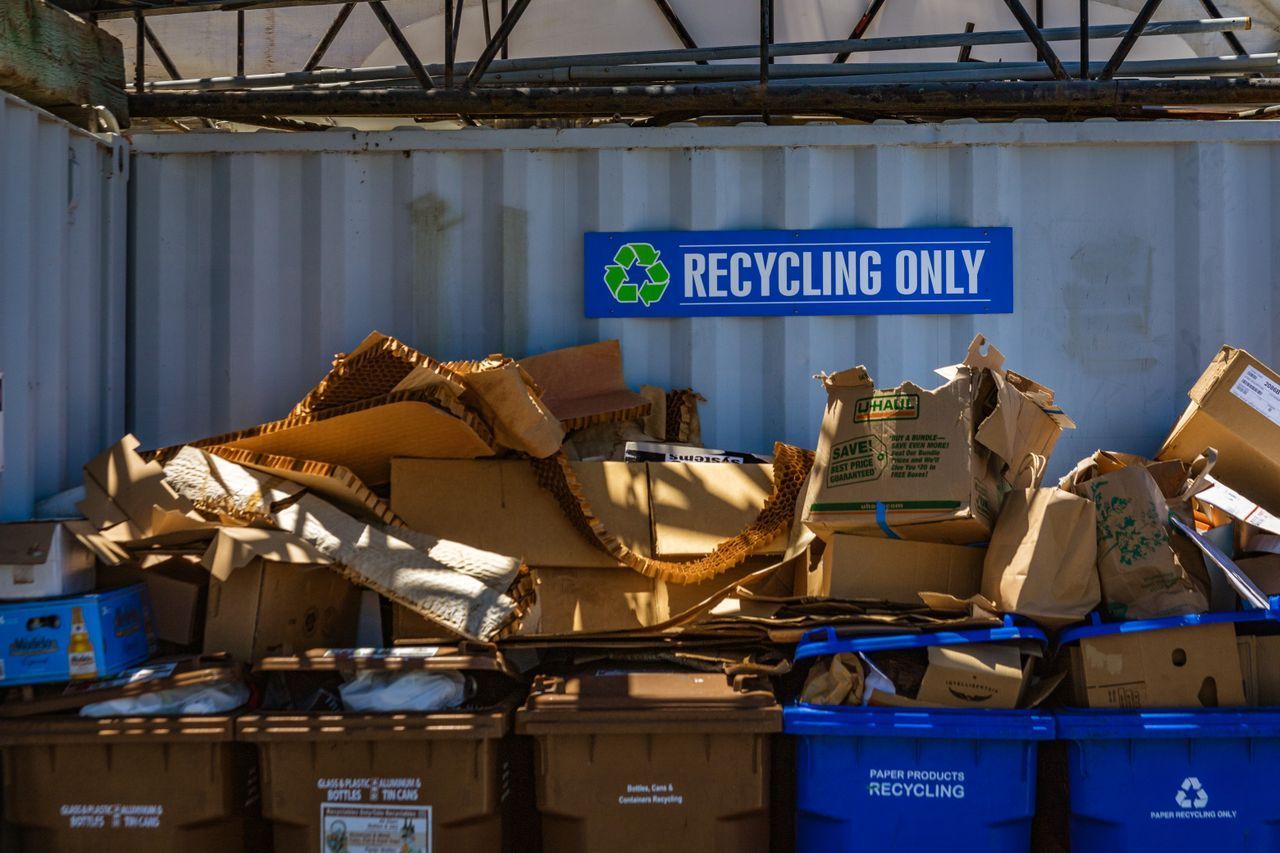
  • Cardboard and some paper products that are dry and clean. 
  • Certain plastics, depending on local recycler rules. 
  • Concrete and asphalt that can be crushed for use in future projects. 
  • Clean, untreated wood that can be repurposed or processed. 


By pulling these materials out of the mixed waste stream, facilities can reduce how much ends up at the landfill. This helps cut down on the space needed for disposal and supports more sustainable waste handling over time.


What Actually Ends Up in the Landfill


Even with smart sorting and good recycling options, some of your junk will still go to a landfill. These are the materials that are not recyclable with current local options or are too mixed and dirty to recover.


Common items that often end up being landfilled include: 


  • Mixed textiles like old carpet, padding, and some fabrics. 
  • Certain plastics that are not accepted by local recyclers. 
  • Insulation and similar building materials that are hard to separate. 
  • Heavily contaminated or wet trash that would ruin clean recycling streams. 


Modern landfills are not just open pits in the ground. They are engineered facilities with layers of protection. Typical practices include: 


  • Thick liners under the trash to protect soil and groundwater. 
  • Systems to collect leachate, the liquid that drains through waste, so it can be treated. 
  • Methane capture systems that collect gas produced as waste breaks down. 
  • Daily cover, such as soil or other approved material, to reduce pests and odors. 


Many people worry that using a dumpster is automatically wasteful. The key is working with a hauler that cares about where the junk goes and follows proper rules. By choosing a provider that partners with local recycling and waste facilities, you help make sure that only the part of your debris that truly cannot be recovered becomes landfill-bound.


Hazardous, Bulky, and Special Waste: Extra Steps Required


Not everything in your cleanout or project can go in a standard roll-off dumpster. Some items are considered hazardous or special waste and need their own process for safety and legal reasons.


Common examples include: 


  • Paint, paint thinner, and many solvents. 
  • Automotive fluids, oil, and fuel. 
  • Batteries of many types. 
  • Tires, which often have separate disposal rules. 
  • Appliances that still have refrigerants in them. 
  • Certain electronics, depending on local guidelines. 


Reputable providers screen for these prohibited items at pickup and at the facility. If they are spotted, they are typically pulled out so they do not mix with general waste. Those items usually have to go to: 


  • Household hazardous waste collection events. 
  • Special permanent drop-off locations. 
  • Certified recyclers that are set up to handle dangerous materials. 


Local rules matter here. Kansas City area regulations and available facilities help decide what can safely go in an affordable roll-off dumpster rental and what needs to be handled another way. When in doubt, it is always better to ask questions before loading something that might be prohibited.


How Responsible Hauling Keeps Junk Disposal Affordable and Ethical


All of these steps, from careful routing to sorting and recycling, connect directly to how junk is handled and how predictable your project feels. When loads are separated well and not contaminated with hazardous items, facilities can process them more efficiently. Recovered materials have value, and clean loads are less likely to trigger extra handling or penalties from disposal sites.


This kind of responsible approach helps keep roll-off dumpster services consistent and reliable for both homeowners and contractors. Working closely with area recycling and waste partners also supports compliance with local regulations and helps reduce environmental impact where it is practical to do so.


Education plays a big role too. When customers choose the right size dumpster, know what to load, and fill it in a smart way, it helps avoid: 


  • Overweight charges from very heavy, dense loads. 
  • Rejected loads if prohibited materials are mixed in. 
  • Extra sorting fees if contents are not suitable for standard processing. 


By understanding what happens to your junk after pickup, you can plan projects with more confidence. An affordable roll-off dumpster rental is not just a big metal box in your driveway. It is the first step in a careful process that moves your debris through local facilities, recovers what can be saved, and disposes of the rest as safely and responsibly as current systems allow.


Get Started With Your Project Today


Tackle your cleanup, renovation, or construction work with confidence by reserving an
affordable roll-off dumpster rental from Litter Getter, LLC. We make it simple to choose the right size, schedule your drop-off, and keep your project area clear and safe. If you have questions about sizing, pricing, or availability, just contact us and we will walk you through your options.


March 2, 2026
Tackle clutter fast with residential dumpster rental in Kansas City, MO plus quick delivery, responsive support, and responsible recycling for your project.
Boxes labeled
February 24, 2026
Tackle clutter fast with a residential dumpster rental in Kansas City, MO, featuring same-day delivery, affordable rates, and responsible disposal.
Blue dumpster in front of a white house, possibly for construction or renovation.
February 23, 2026
Learn the top pitfalls to avoid when booking a residential dumpster rental in Kansas City, MO, from sizing and placement to pricing and permits.
Apartment building and CAT excavator in a snowy landscape.
February 11, 2026
Stay on schedule with smart prep for snow and ice. Get tips for keeping your construction dumpster rental Kansas City MO clear and ready all winter.
Two people building a wooden structure outdoors. One saws wood while the other kneels, working.
February 4, 2026
Stay on schedule with a clear waste plan using a Construction Roll Off Dumpster during cold weather construction in Kansas City, MO.
Aerial view of a building under construction. Brown dirt surrounds the foundation with a crane, lumber, and other machinery visible.
January 27, 2026
Make your Kansas City, MO job site dumpster rental easier with smart placement tips that help crews stay safe and keep the project running on time.
 affordable dumpster rental Kansas City MO
January 25, 2026
Learn how to choose an affordable dumpster rental Kansas City MO crews can count on during winter cleanouts, renovations, or construction work.
dumpster rental
January 18, 2026
Be ready for a quick cleanup with this simple checklist for a same day dumpster rental Kansas City MO during snowy job sites or surprise cleanouts.
dumpster
January 12, 2026
See how a contractor dumpster rental can keep projects on track through winter delays and busy job site schedules in Kansas City, Missouri.
Construction Dumpster Rental
January 6, 2026
A Construction Dumpster Rental keeps Kansas City projects on track by reducing mess, speeding up cleanup, and helping meet local job site rules.
Show More