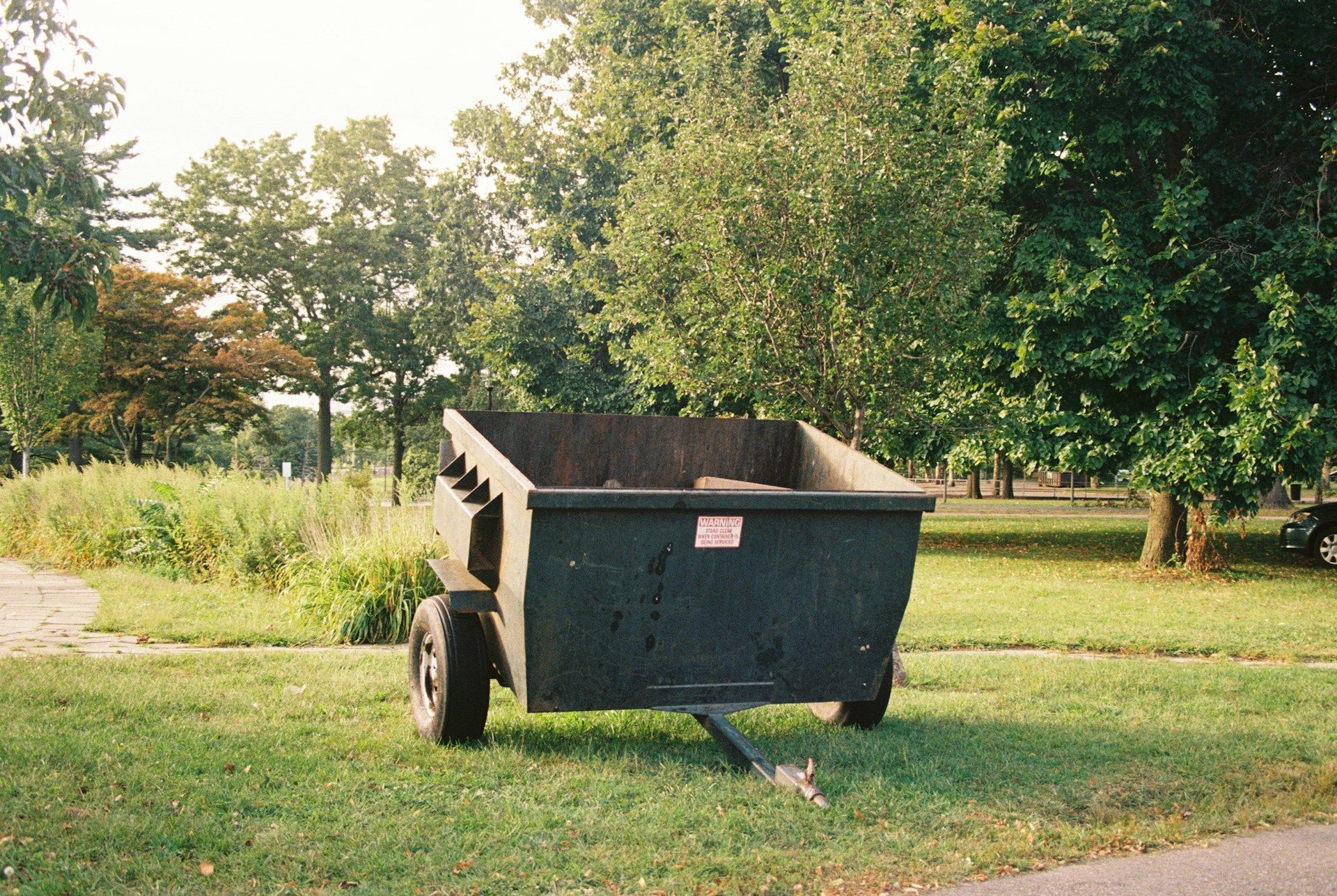
What Can and Can’t Go in a Residential Dumpster in Kansas City?
Clear Out Your Backyard Fast with the Right Dumpster
Backyard demolition creates trash fast. Old decks, cracked patios, and broken playsets turn into big messy piles before you know it. If you are planning a backyard cleanout or hardscape demo, having a plan for the debris is just as important as your new design.
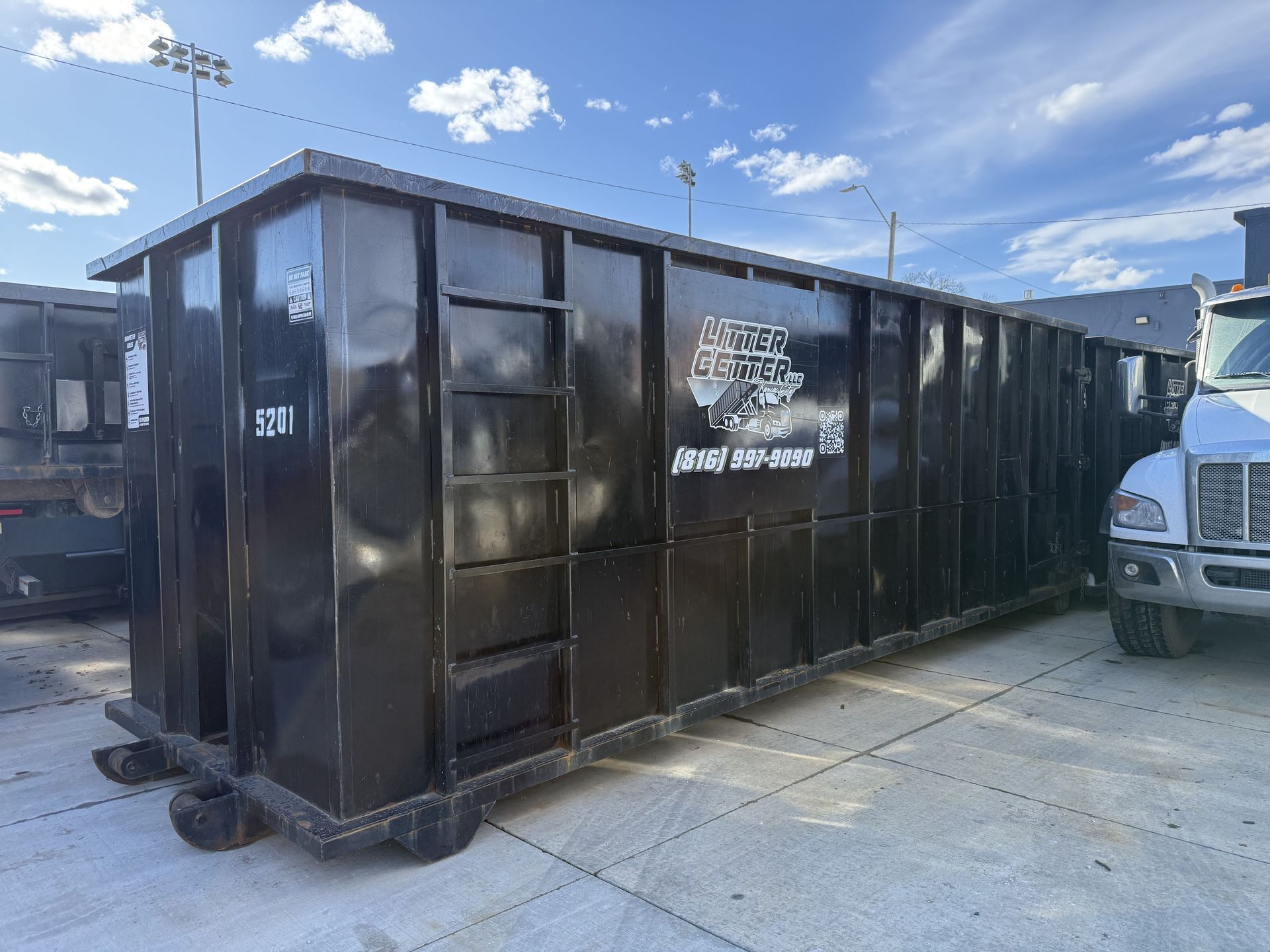
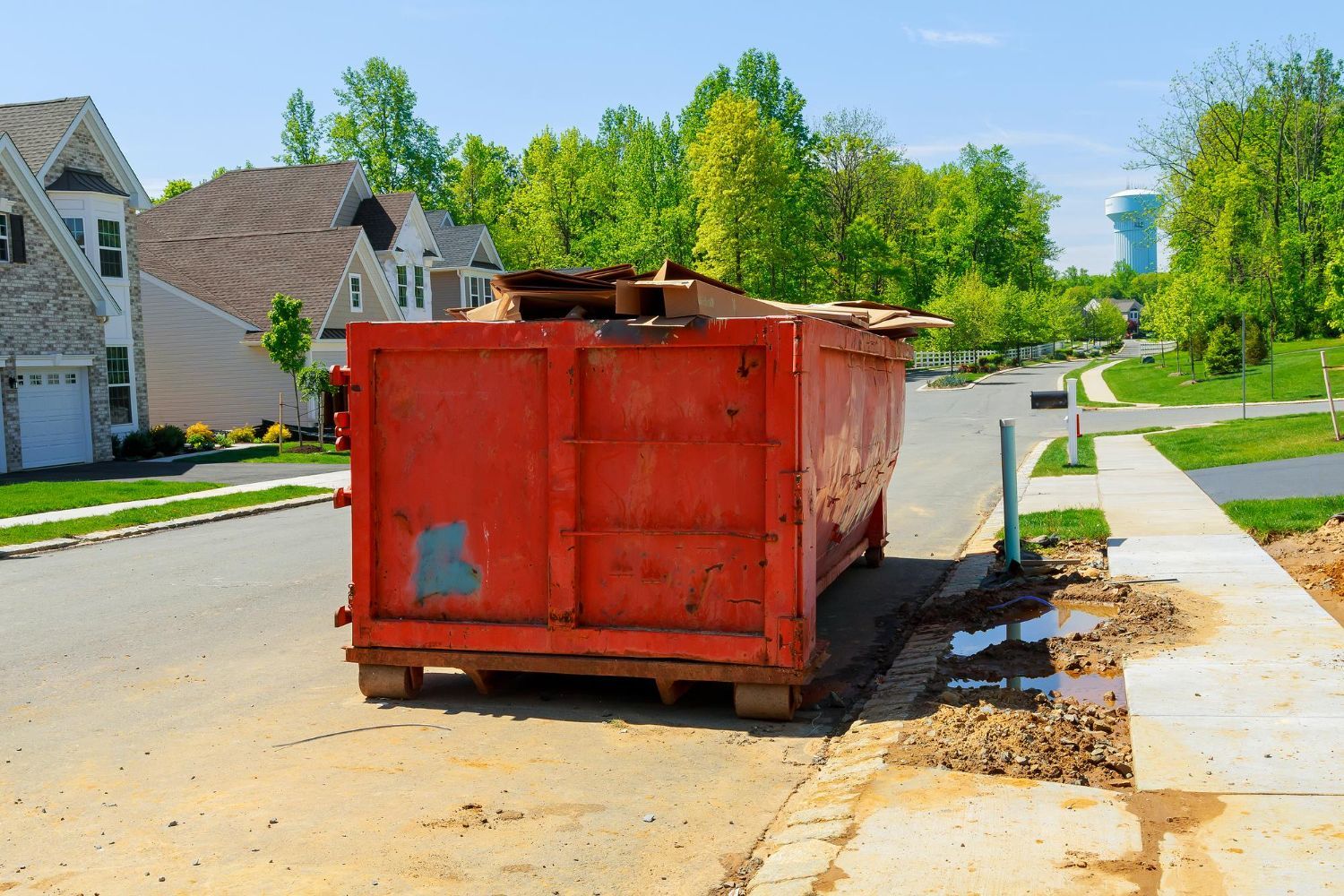
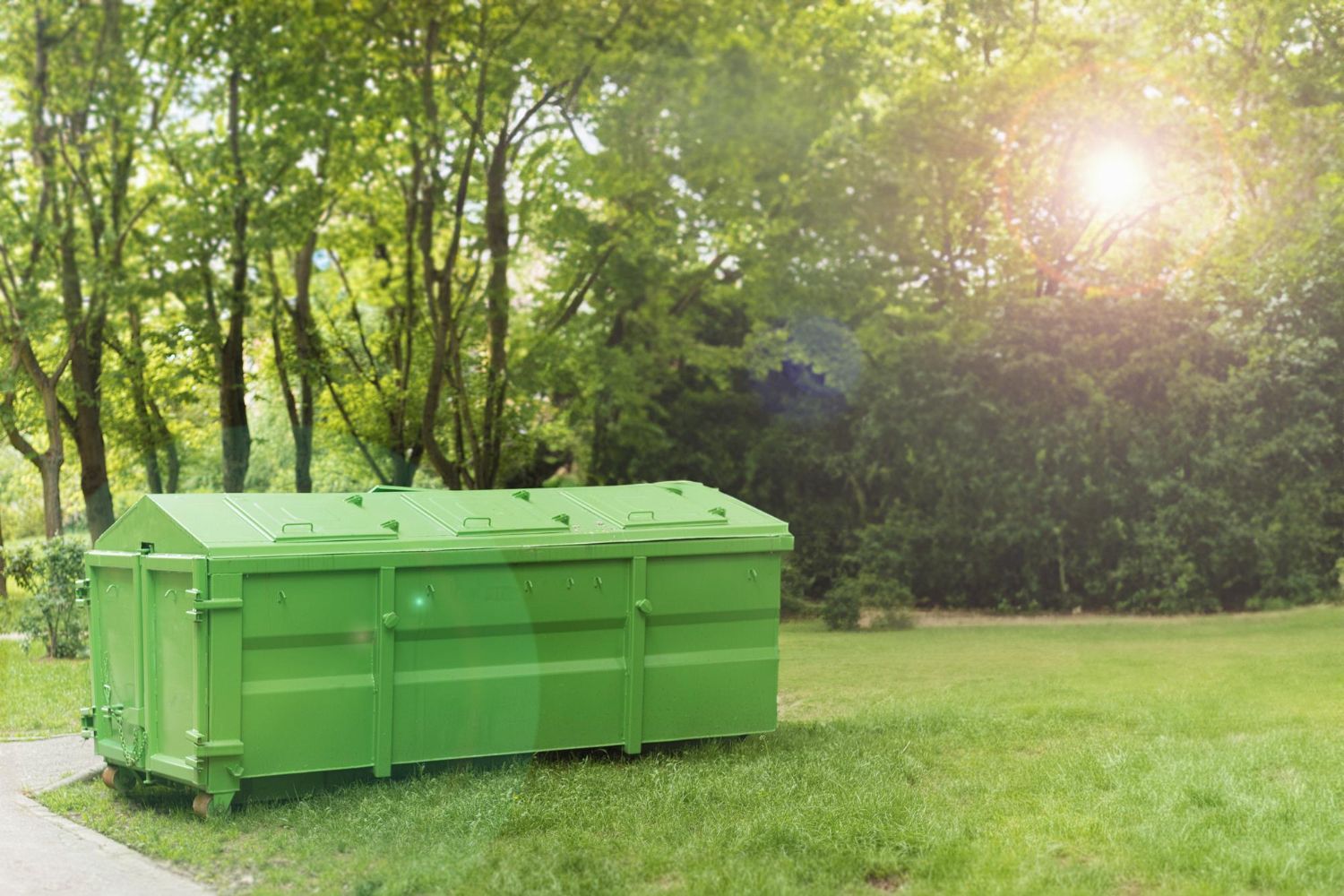
A residential dumpster rental in Kansas City, MO makes that part simple. Instead of loading up a pickup truck again and again, or waiting for the next bulk trash day, you can toss debris in one spot as you work. This guide explains what can safely go into a residential dumpster and what needs special handling so you can avoid delays, surprise fees, or last‑minute confusion.
We will walk through common backyard projects that benefit from a dumpster, the types of hardscape and yard debris that are usually allowed, and the materials that must stay out. As a local roll-off provider in the Kansas City area, we care about keeping things easy, safe, and responsible for homeowners, renters, and contractors alike.
Backyard Demolition Projects That Really Need a Dumpster
Backyard upgrades often start with tearing things out. Some of the most common projects that quickly fill a dumpster include:
- Removing old or cracked concrete patios
- Pulling up brick or paver walkways
- Ripping out rotted decks and stairs
- Demolishing sheds, pergolas, and small retaining walls
- Taking down old swing sets, play structures, and fence sections
Concrete, brick, lumber, and rock are heavy and bulky. A few wheelbarrow loads do not look like much on the ground, but once you try to stack them into a small trailer or pickup bed, you see how fast they add up. Most regular trash service will not take this kind of construction debris in large amounts.
A residential dumpster helps keep your work area safer and more organized. Instead of scattered piles of nails, splintered boards, and concrete chunks, you have one central spot for debris. That means fewer tripping hazards, fewer nails in tires, and less time walking back and forth across the yard.
Before demolition day, it helps to think about the size of your project and how much debris you expect, whether you have space in your driveway or along the curb for a dumpster, and any access issues that could slow down delivery. For example, overhead wires, trees, or low carports can block delivery, and narrow neighborhood streets may affect how easily the truck can place the container. A little planning makes delivery smoother and keeps your project moving.
What Hardscape and Yard Debris Can Go in a Residential Dumpster
Most backyard demolition and hardscape materials can go in a residential dumpster rental in Kansas City, MO. These are usually acceptable:
- Concrete from patios, walkways, and small slabs
- Bricks, pavers, stones, gravel, and rock
- Asphalt chunks from small driveway or path repairs
- Ceramic tile from outdoor kitchens or patios
For structure and wood removal, you can typically include the debris that comes from breaking down decks, sheds, fencing, and similar backyard structures:
- Dimensional lumber and framing from decks and sheds
- Decking boards, railing, and stair pieces
- Wood or metal fencing sections
- Non‑upholstered outdoor furniture
- Swing sets, playsets, and shed components made of wood or most metals
- Pallets and similar clean wood items
Yard and landscape debris can sometimes go in the same dumpster, especially when it is mixed with demolition waste:
- Small amounts of soil or sod attached to removed hardscape
- Branches, shrubs, and pulled-out bushes
- Landscaping timbers, edging, and small railroad tie substitutes
Loads that are mostly dirt, sod, or yard waste may need special handling or a different disposal option, depending on local rules and the landfill. It is always smart to ask ahead if you think most of your load will be soil or green waste.
Heavy materials like concrete, rock, and asphalt weigh a lot, even in small piles. Dumpster sizes are rated for a certain weight limit, and going over can lead to extra charges from the disposal site. A local dumpster team can help you figure out how much heavy material is safe to put in each size container so you stay within limits.
Materials You Cannot Toss in a Residential Dumpster
Not everything from a backyard project can go into a rental dumpster. Some items are unsafe, and others are not accepted at landfills. Common materials that must stay out include:
- Paints and stains, both oil and latex
- Solvents, thinners, and harsh cleaners
- Adhesives, glues, and epoxies
- Pesticides, weed killers, and many fertilizers
- Gasoline, oil, and fuel from lawn mowers or trimmers
Certain construction materials are also restricted, such as any materials that may contain asbestos, treated railroad ties, some types of older pressure‑treated lumber (depending on local rules), and large quantities of loose dirt or sod.
Many outdoor items are either hazardous or need special disposal methods, which is why they usually cannot go in a standard residential dumpster:
- Propane grill tanks or any pressurized gas cylinders
- Refrigerators, freezers, and some outdoor kitchen appliances
- TVs and certain electronics
- Car batteries and other large batteries
- Tires from wheelbarrows, lawn equipment, or trailers
If you are not sure about an item, it is always better to ask before you toss it in. A quick question can help you avoid contamination fees, rejected loads, or having to pull items out at the last minute.
How to Prep Your Backyard and Load Your Dumpster Safely
Good prep work makes your dumpster rental smoother and safer. Before delivery, take a few minutes to get your space ready:
- Clear cars from the driveway and move trailers or boats
- Check gate widths and pathways for the truck
- Trim low tree branches or note any wires the driver should avoid
- Lay down plywood if you want extra protection for decorative concrete or pavers
Once the dumpster is on site, load it with safety and space in mind:
- Put heavy materials like concrete and brick in first, spread across the bottom
- Keep weight evenly distributed from front to back and side to side
- Break down large items like deck sections, swing sets, and shed panels
- Stack lumber and flat items along the sides to make use of space
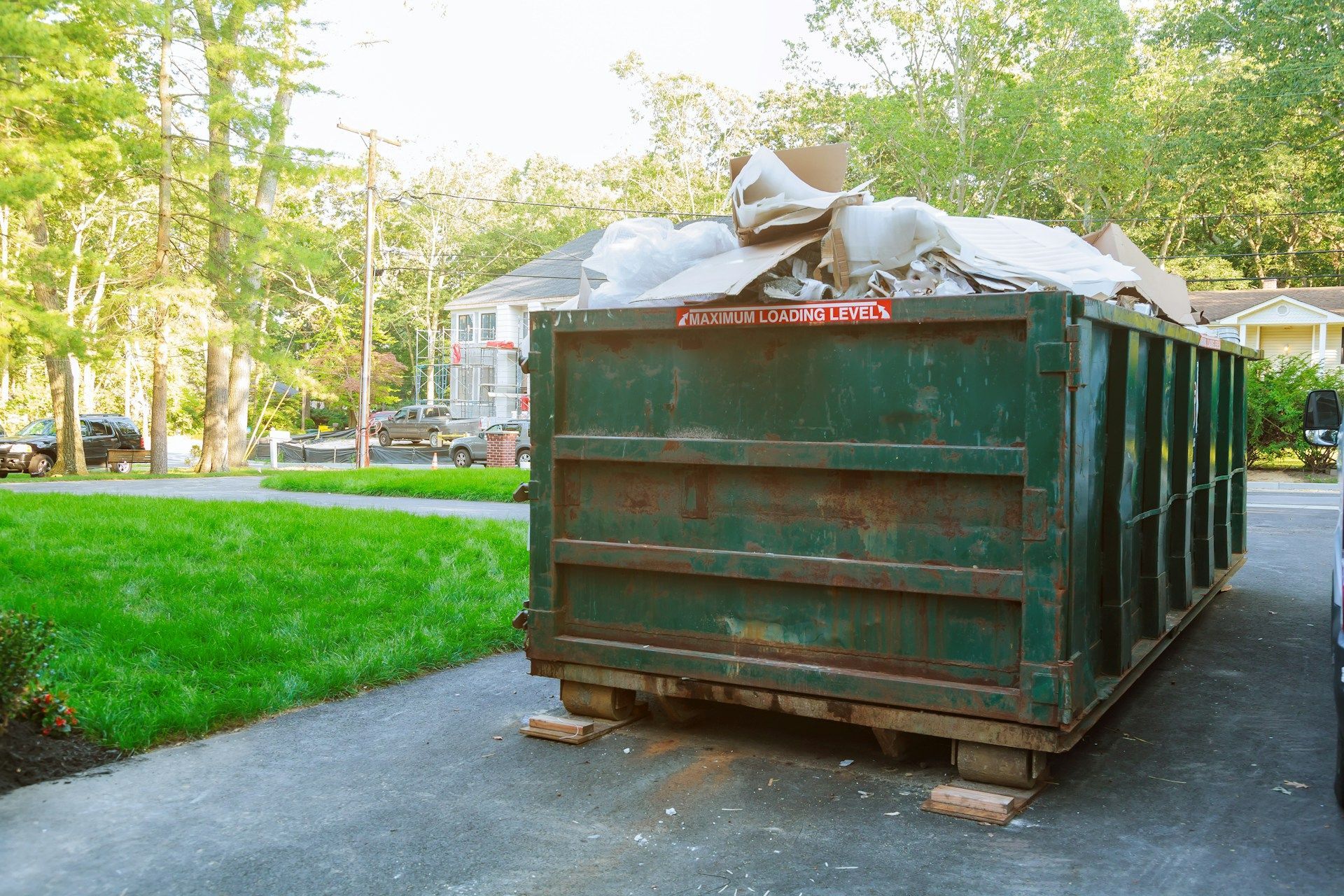
- Do not pile debris above the top fill line
Overfilled dumpsters can be unsafe to haul and may need to be leveled before pickup.
In some Kansas City neighborhoods and HOAs, there may be rules about where a dumpster can sit, how long it can stay, and what time loud demolition work can happen. Shorter rental periods and same‑day or next‑day swaps can help reduce complaints and keep neighbors happy. On delivery day, the driver can usually suggest the best spot for access, safety, and convenience for your project.
Make Backyard Projects Easier with a Local Dumpster Partner
When you understand what can and cannot go into a residential dumpster rental in Kansas City, MO, your backyard demolition moves faster and with far less stress. You work cleaner, keep your site safer, and avoid surprises at the end of the job.
A local roll-off partner like Litter Getter, LLC can answer questions about acceptable materials, weight limits, and dumpster sizes before you start tearing anything out. With clear guidelines and the right container in place, you can focus on the fun part of your backyard upgrade while the debris stays under control.
Get Started With Your Project Today
If you are ready to clear out clutter or prep for your next home project, we are here to help make disposal simple and efficient. At Litter Getter, LLC, our
residential dumpster rental in Kansas City, MO gives you the right size container and flexible scheduling to fit your timeline. Reach out today and we will walk you through your options, pricing, and availability. You can also
contact us
with any questions so you can move forward with confidence.