Avoid Extra Fees with Smarter Dumpster Rental Planning
Plan Ahead to Keep Dumpster Costs Under Control
Smart planning is the difference between a simple cleanup and a bill that makes your jaw drop. Many Kansas City homeowners and contractors are surprised by extra dumpster rental charges that show up after the job is done. Those fees often come from things like going over the weight limit, keeping the dumpster longer than planned, or scheduling issues on delivery or pickup day.
With a little thought before the dumpster shows up, you can avoid most of those headaches. When you understand how pricing works, what affects your total, and how to match the dumpster to your project, it gets much easier to stay on budget. Early summer is a busy time for cleanouts, moves, remodels, roofing, and outdoor projects, so planning ahead matters even more.
We provide roll-off dumpsters across the greater Kansas City area, and we see the same avoidable mistakes over and over. Our goal here is to walk through smarter planning steps so you can keep your project moving and keep surprise charges off your invoice.
What Really Goes Into Dumpster Rental Pricing
Dumpster pricing is not just a single flat number. It usually has a few basic parts that work together. Knowing these parts helps you ask better questions before you rent.
Most rentals include things like:
- Base rental rate for the dumpster size
- A set rental period with a certain number of days
- An included weight limit for the load contents
- Delivery, placement, and pickup
- Disposal fees at the landfill or transfer station
When people ask, “How much does a dumpster rental cost?”, the honest answer is that it depends on the size you choose, where you are, and what you are tossing out. A small roll-off for light household junk will be different from a large roll-off on a busy construction site. Around Kansas City, pricing also shifts with access, drive time, and the kind of debris you are loading.
Your location in the greater Kansas City, MO area can affect cost if you are farther from disposal sites or hard to reach. Site conditions matter too. Tight alleys, steep driveways, low tree branches, and narrow streets can all make delivery and pickup trickier. Some cities or neighborhoods may need permits for street placement, which can add time and paperwork.
We always suggest asking for clear, all-in pricing, so you know what is covered and what is not. Quotes that skip things like fuel charges, environmental fees, or overweight penalties often look low at first, then grow later. Transparent pricing is one of the easiest ways to protect your budget from surprise add-ons.
Choose the Right Dumpster Size the First Time
Picking the right size is one of the best ways to avoid extra fees. When the dumpster is too small, you might face problems like:
- Needing a second dumpster
- Paying for extra trips
- Temptation to overfill, which can lead to extra charges or safety issues
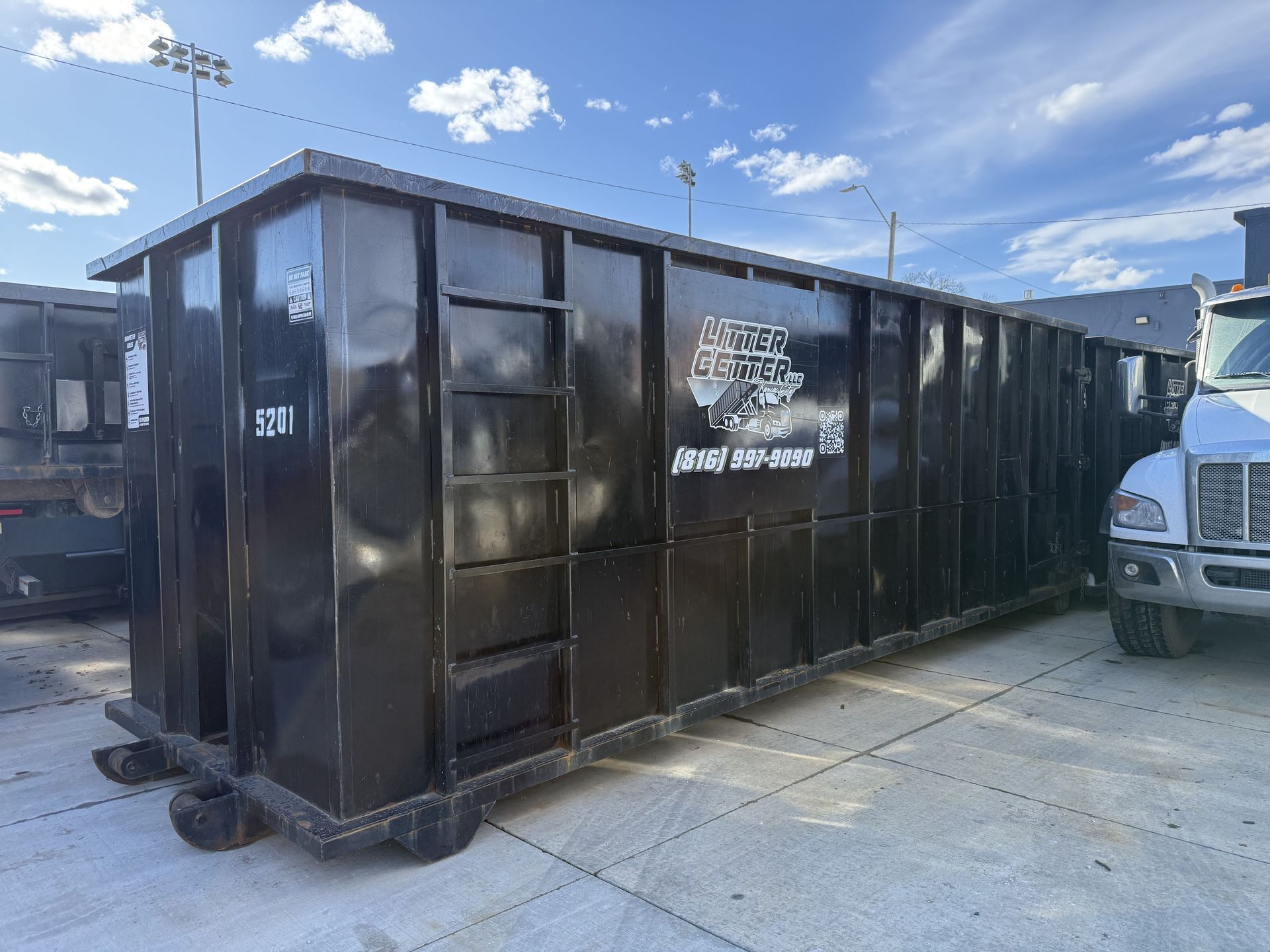
For small home cleanouts or decluttering a single room, a smaller dumpster often works fine. Yard waste, like branches and light landscaping debris, also fits well in modest sizes, as long as you do not pack in heavy dirt or rock. Medium sizes are common for roofing tear-offs, kitchen or bath remodels, or clearing out a garage. Large roll-offs are better for full-home cleanouts, big remodeling jobs, or multi-unit cleanups.
A few planning tricks help you guess volume more accurately:
- Measure the length, width, and height of the pile you expect
- Count how many large contractor bags you already have filled
- Compare your junk to pickup truck loads, then match that to dumpster capacity
You do not have to guess alone. Talking with a local company about your project type, timeline, and debris mix goes a long way. At Litter Getter, LLC, we ask simple questions about what you are doing so we can suggest a size that makes sense. That way you are less likely to pay for more space than you need, or scramble to order a second container at the last minute.
Avoid Hidden Fees with Better Site Prep and Scheduling
Some of the most frustrating extra fees come from things that happen on delivery or pickup day. Trip charges often show up when the driver cannot safely place or remove the dumpster. This can happen if the space is blocked, the ground is not stable, or there is not enough room for the truck.
You can prevent many of these issues with basic site prep:
- Choose a stable, level area before delivery
- Clear cars, trailers, trash cans, and other obstacles out of the way
- Use boards under the wheels if you want extra protection for your driveway
- Check for low branches, wires, or overhangs above the placement area
Scheduling is another big factor. Try to line up delivery with the true start of your project so the dumpster does not sit empty while you get ready. Plan around weekends and holidays if collection sites will be closed or if your crew will not be working. When the job is close to done, set pickup quickly so you avoid keeping the dumpster longer than needed.
It also helps to know any rules in your city, county, or HOA about where a dumpster can sit. Some areas need a permit for street placement or have time limits. Ignoring those rules can lead to delays, tickets, or last-minute changes that add cost and stress.
Know What You Can Load to Dodge Overweight and Contamination Fees
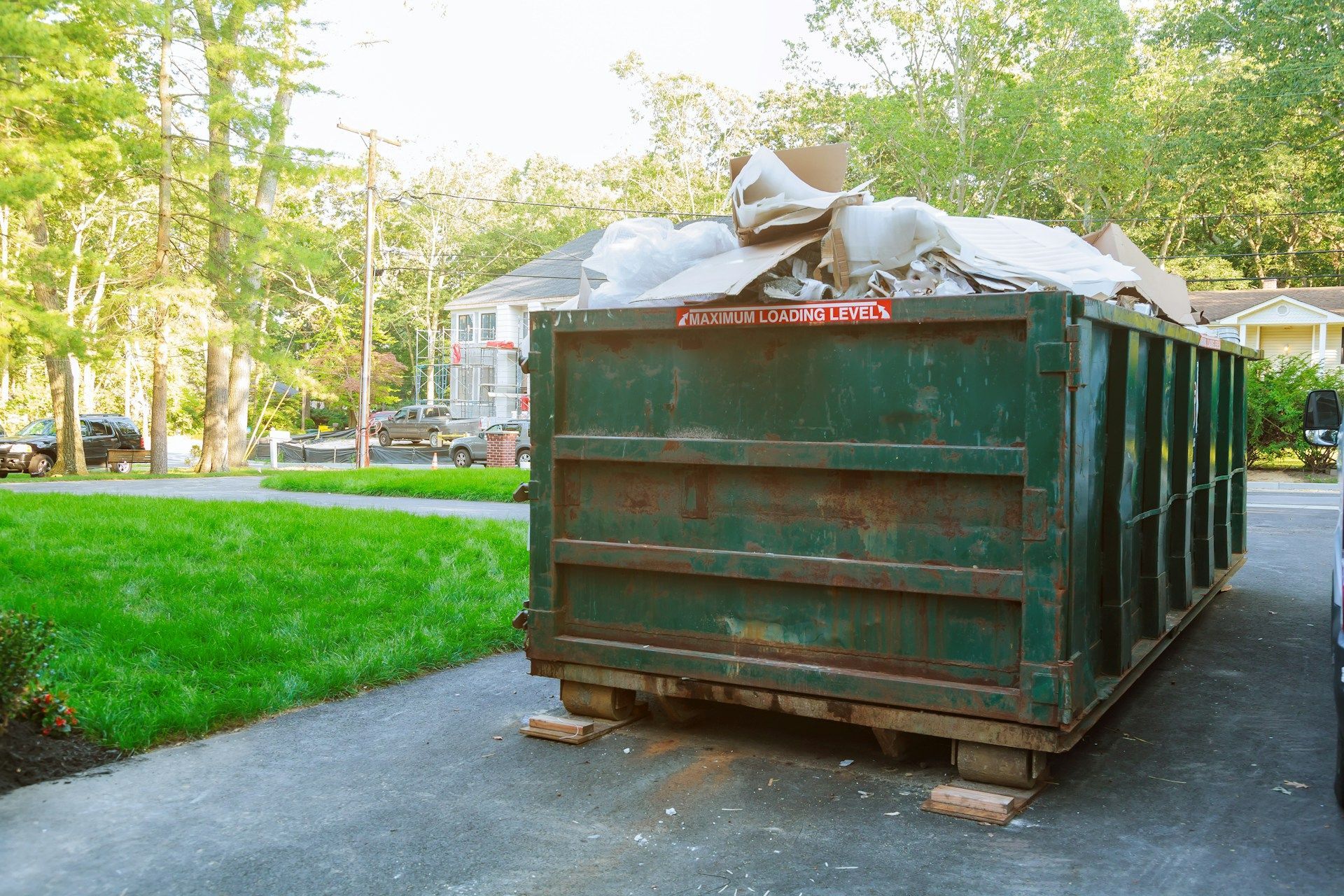
Landfills and transfer stations do not just look at how full the dumpster is, but they also look at how heavy it is and what is inside. Your rental will include a set tonnage. If the dumpster goes over that weight, there will usually be an overweight fee from the disposal site.
Most general debris dumpsters are meant for things like:
- Household junk and furniture
- Construction and demolition debris
- Wood, drywall, siding, and flooring
- Yard waste, like branches and brush
Some items need special handling or are not allowed in a regular roll-off. These often include appliances with refrigerant, tires, liquids, paints, chemicals, batteries, and electronics. If these end up mixed into a general load, it can cause contamination fees or force reloading, which adds both time and cost.
Summer projects bring their own weight surprises. Old deck boards soaked from rain, broken concrete pavers, bricks, soil, and wet storm debris can all add up fast on the scale. When you plan to toss heavy materials, it helps to talk through them with the dumpster provider so you know what can share a container and what may need a different solution.
Get a Clear Answer to “How Much Does a Dumpster Rental Cost?”
The best way to get a straight answer to “How much does a dumpster rental cost?” is to use a simple checklist when you call for quotes. Ask each company the same set of questions so you can compare fairly.
A helpful checklist includes:
- Dumpster size options and what they recommend for your project
- How many days are included in the base rental period
- The tonnage limit and what happens if you go over it
- Whether delivery and pickup are included
- Any fuel or environmental surcharges
- Rates for extra days or overweight loads
Working with a local company means you get area-specific advice that fits Kansas City projects and rules. At Litter Getter, LLC, we focus on straightforward pricing and responsible disposal, so you understand what you are paying for before the dumpster ever touches your driveway or job site. When you share honest details about your project, location, and timeline, we can help you plan smarter, avoid extra fees, and keep your cleanup running smoothly from start to finish.
Get the Right Dumpster at the Right Price Today
If you are still asking yourself
how much does a dumpster rental cost?, we are ready to walk you through clear pricing based on your project size and timeline. At Litter Getter, LLC, we help you choose the right container so you are not overpaying for space you do not need. Reach out so we can answer your questions, lock in a delivery time that fits your schedule, and keep your cleanup running smoothly, or
contact us to get a custom quote.