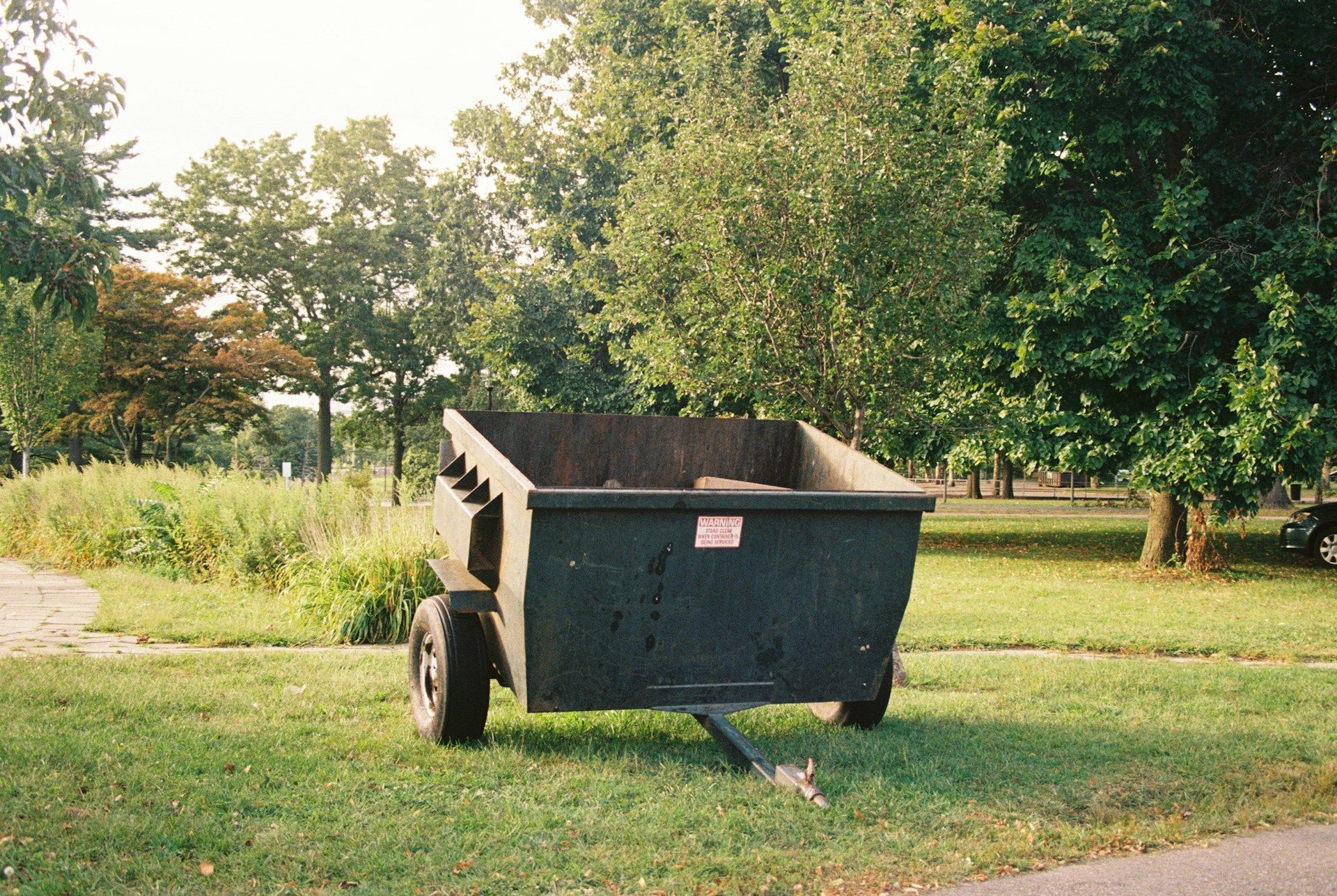
Permits, Placement, and Liability for Roll-Off Dumpsters at Cleanups

August 3, 2026

Make Your Neighborhood Cleanup Safer and Smoother


A neighborhood cleanup can change how a block looks and feels in just one day. When people work together and have the right tools, a messy area can turn into a place neighbors feel proud of. A temporary dumpster rental is one of those tools that makes a big difference.


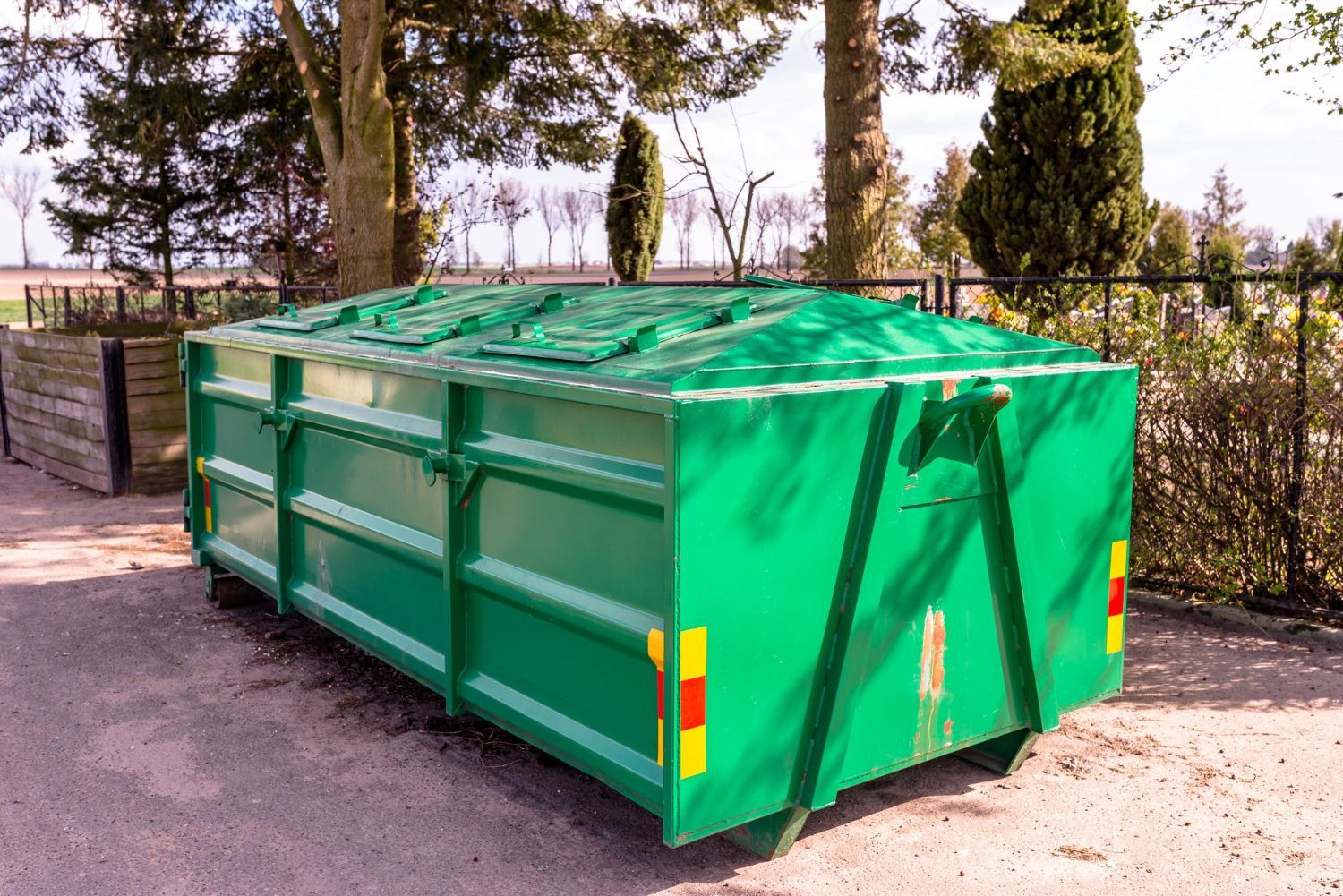
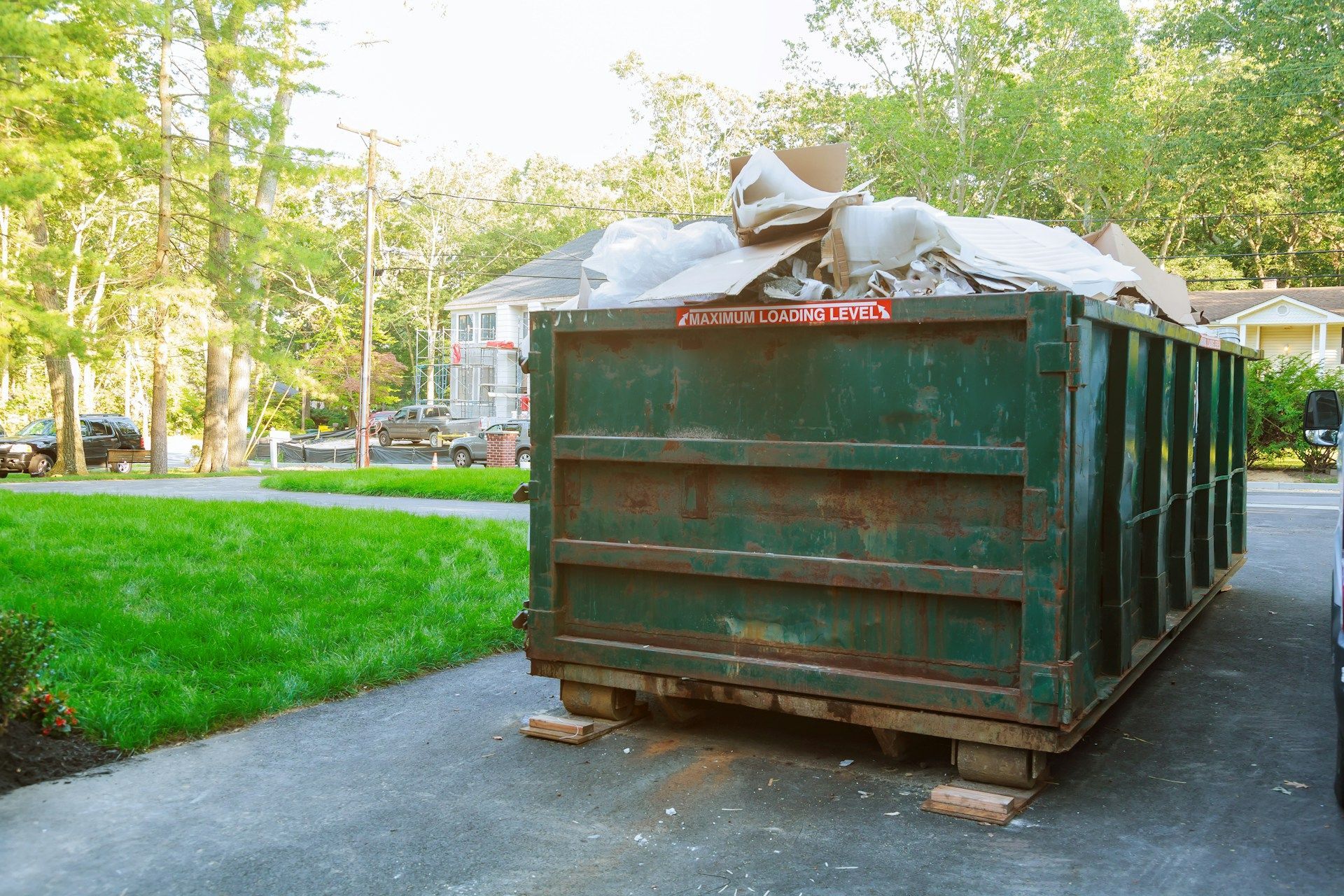
Here around Kansas City, many groups like to plan cleanups when the weather is warm and the days are long. A roll-off dumpster gives everyone a central spot to put bulky junk, yard waste, and debris, instead of piling bags all along the curb. The result is less chaos, less back and forth, and more time actually cleaning.


To make that happen safely, you have to think about more than just what size container you need. Permits, placement, and liability all matter. When you handle right-of-way rules, traffic control, and volunteer safety the right way, you protect your neighbors, your organizers, and your peace of mind.


Know Where You Can Legally Stage a Dumpster


Before you schedule a temporary dumpster rental, you need to know where it can legally sit. There is a big difference between placing a dumpster on private property and placing it in a public right-of-way.


Private property spots might include:


  • Driveways 
  • Church or school parking lots 
  • Private business lots that agree to help 
  • HOA common areas, if allowed 


Public right-of-way spots might include:


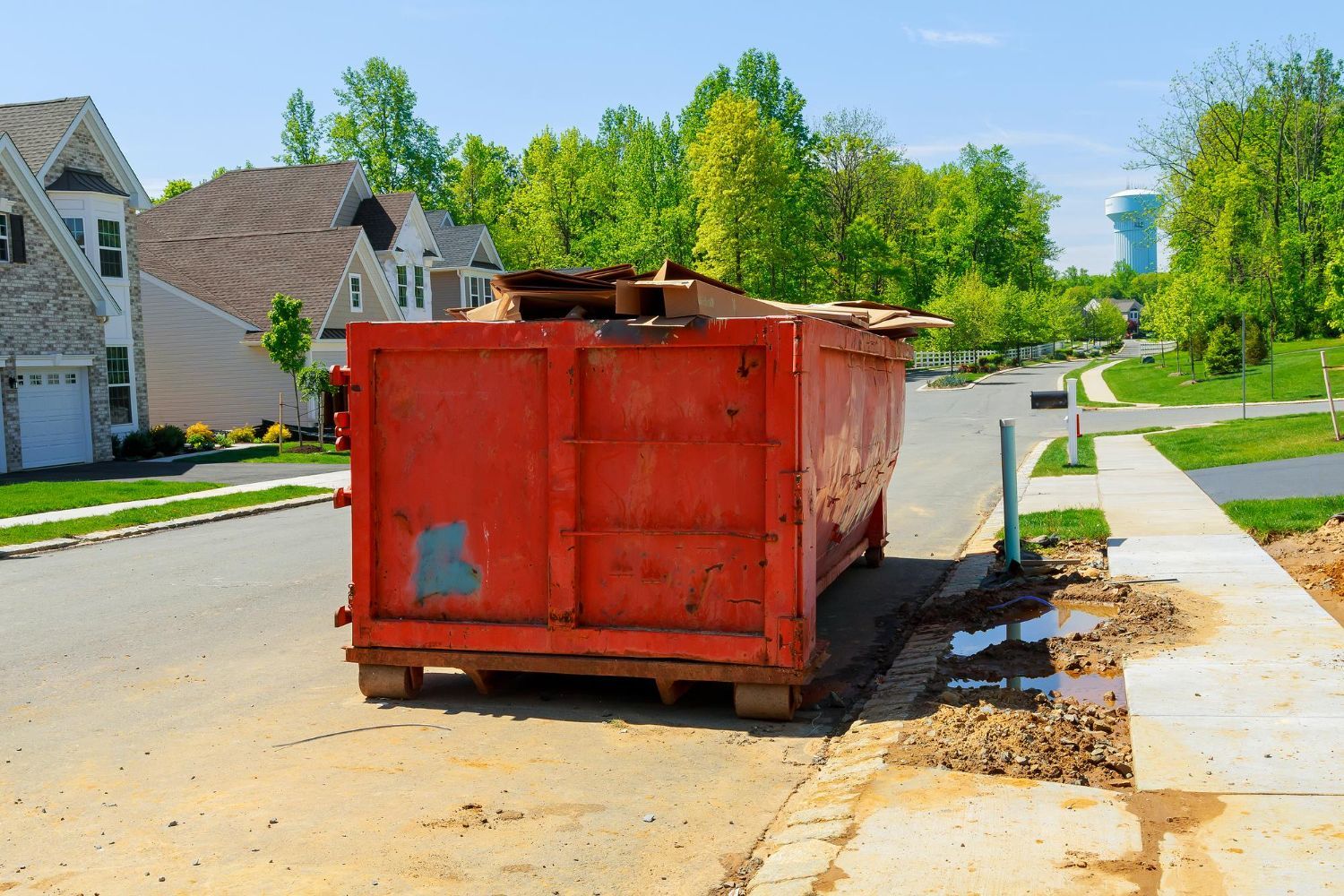
  • Residential streets and parking lanes 
  • Alleys 
  • Portions of sidewalks 
  • On-street parking spaces 


Public areas often come with rules, and cities in the Kansas City area may require permits if you put a container in the street or block public parking. Common rules can include:


  • Time limits for how long the dumpster can stay 
  • Minimum distance from intersections and corners 
  • Clearances from hydrants, driveways, and crosswalks 
  • Rules from HOAs in certain subdivisions 


As you walk your cleanup area, you are essentially checking whether a dumpster can fit without creating a hazard or bottleneck. Pay attention to street width and whether two-way traffic fits around a parked dumpster, along with normal traffic volume, especially at school and work start and end times. You will also want to note bus routes, bike lanes, and fire lanes, plus any existing no-parking hours or street sweeping signs that could affect staging.


It also helps to talk early with the people who can say “yes” or “no” to a location and confirm any special requirements. That includes:


  • Property owners or managers 
  • Neighborhood or HOA leaders 
  • City public works or permitting staff, when public space is involved 


That early communication keeps you from finding out at the last second that your planned spot will not work.


Permits and Right-of-Way Rules You Cannot Ignore


Any time a temporary dumpster rental might sit in public space, you need to slow down and ask, “Is a permit required?” Many cities want a right-of-way or occupancy permit in situations like these:


  • The dumpster blocks part of a traffic lane 
  • It takes up one or more public parking stalls 
  • It is near an intersection, crosswalk, or stop sign 
  • It sits in a narrow alley that vehicles also use 


Permit applications often ask for details such as:


  • Exact placement location and a simple sketch or description 
  • Dates and times the container will be on-site 
  • Size of the dumpster you plan to rent 
  • How you will handle traffic control and visibility 
  • Proof of insurance or an indemnification form 


Timing matters too, because community cleanups often overlap with other seasonal demands on streets and parking. For example, an August cleanup might overlap with:


  • Schools starting up again and more traffic at drop-off and pick-up times 
  • Local festivals, block parties, or parades on certain streets 
  • Sports events that change parking patterns 
  • Planned street work or utility projects 


A good hauler can help you understand what your city expects. As dumpster providers, we work with customers to talk through placement ideas, share what size trucks need to access the spot, and coordinate delivery and pickup windows that respect any permit conditions.


Smart Placement, Access, and Traffic Control Plans


Once you know where you are allowed to put a dumpster, it is time to pick the exact spot. You want a location that is easy for volunteers to reach but still safe for drivers, pedestrians, and the truck.


When you choose the location, you are balancing convenience with safe access and stable ground. Look for:


  • A flat, solid surface that will support the weight of the container 
  • Good visibility from both directions for oncoming cars 
  • Enough clearance for the roll-off truck to load and unload 
  • Room around the sides so people can walk and work without squeezing into traffic 


If your spot is next to a street, even a quiet one, basic traffic control is important. Simple tools can go a long way:


  • Bright cones at the corners of the container 
  • Barricades or stands if you are closing off a lane or parking spaces 
  • Reflective signs that say “Dumpster Ahead” or “Cleanup In Progress” 
  • Temporary “No Parking” signs along the area needed for delivery and pickup 


For larger or busier streets, it might make sense to coordinate with city staff or law enforcement about lane closures or special rules.


You also want to think about how your volunteers will move around the area so the work stays organized and nobody is forced into traffic or a vehicle path. To keep things flowing:


  • Set up a “drop zone” near the dumpster for bulky items that a smaller team can load 
  • Keep clear footpaths that do not cross where vehicles will be backing in or turning 
  • Post simple signs that show what belongs in the dumpster versus recycling or hazardous waste 
  • Keep heavy lifting and loading tasks away from the main traffic edge 


Time of day matters too. In late summer, midday sun can be intense and traffic can spike around commute hours. Many groups like to:


  • Start early in the morning and take breaks for shade and water 
  • Avoid dumpster delivery or pickup during school and work rush hours 
  • Plan final loading and cleanup before it gets dark 


Those small choices can reduce stress for both volunteers and drivers.


Protecting Volunteers, Neighbors, and Your Organization


A roll-off dumpster is a big piece of equipment, and any work zone around it should be treated with care. A few basic safety rules help keep everyone out of harm’s way.


Encourage volunteers to:


  • Wear gloves and closed-toe shoes, not sandals 
  • Avoid climbing inside the dumpster 
  • Use safe lifting, bending at the knees, not the back 
  • Keep kids and pets away from the loading area 


Liability is another key part. Neighborhood groups, HOAs, and nonprofits should be clear about who is leading the event and what rules apply. It helps to:


  • Confirm what insurance coverage your group or sponsor has 
  • Make sure your dumpster provider carries proper commercial insurance 
  • Decide who will act as on-site “captains” for safety and questions 


Some items should never go into a roll-off during a community cleanup because they can create legal or environmental trouble if they are mixed with normal trash. Common examples include:


  • Paint, solvents, and chemicals 
  • Car batteries and many household batteries 
  • Electronics like TVs, computers, and monitors 
  • Medical sharps and similar items 


Plan ahead for how you will handle these materials, since your city or county may have special drop-off sites or events.


On the morning of the cleanup, a short safety huddle can set the tone and prevent confusion later. Go over:


  • Where the dumpster is and how to approach it 
  • What can and cannot go inside 
  • Lifting tips and who to ask for help with heavy items 
  • Who the site captains are if something comes up 


Clear rules and clear leadership make it far less likely that someone will get hurt or the dumpster will be misused.


Partner with a Pro and Plan Your Next Cleanup Now


When you put all these pieces together, a simple temporary dumpster rental becomes a powerful tool for neighborhood pride. Getting the right permits, choosing a legal and safe placement spot, planning traffic control, and protecting volunteers all support the same goal, a cleaner, safer block that everyone can enjoy.


Planning a fall or late summer cleanup is easier when you start a few weeks ahead, especially if you will be using public right-of-way or working near busy streets. At Litter Getter, LLC, we help Kansas City-area groups think through dumpster sizing, delivery and pickup timing, and responsible disposal so their cleanup days run smoothly. By mapping out a few potential staging spots and talking through local rules before you book, you can set your volunteers up for a safe, productive event that makes a lasting difference in your neighborhood.


Get Started With Your Project Today


If you are ready to clean up your space without headaches, our
temporary dumpster rental makes it simple to clear debris on your schedule. At Litter Getter, LLC, we help you choose the right size dumpster and arrange convenient delivery and pickup that fits your timeline. Tell us about your project and we will walk you through pricing and availability. Have questions or need a fast quote? Just contact us and we will respond promptly.


July 27, 2026
Keep your project site clean and safe with a remodeling dumpster rental in Kansas City, plus practical tips for dust control, debris removal, and disposal
job site dumpsters
July 20, 2026
Reduce accidents and fire risks by clearing debris and trash fast with job site dumpster rental options for safer, more efficient builds.

cleanup
July 12, 2026
Plan smooth post event cleanup with a temporary dumpster rental for summer festivals in Kansas City, offering fast delivery, flexible sizes, and safe disposal.
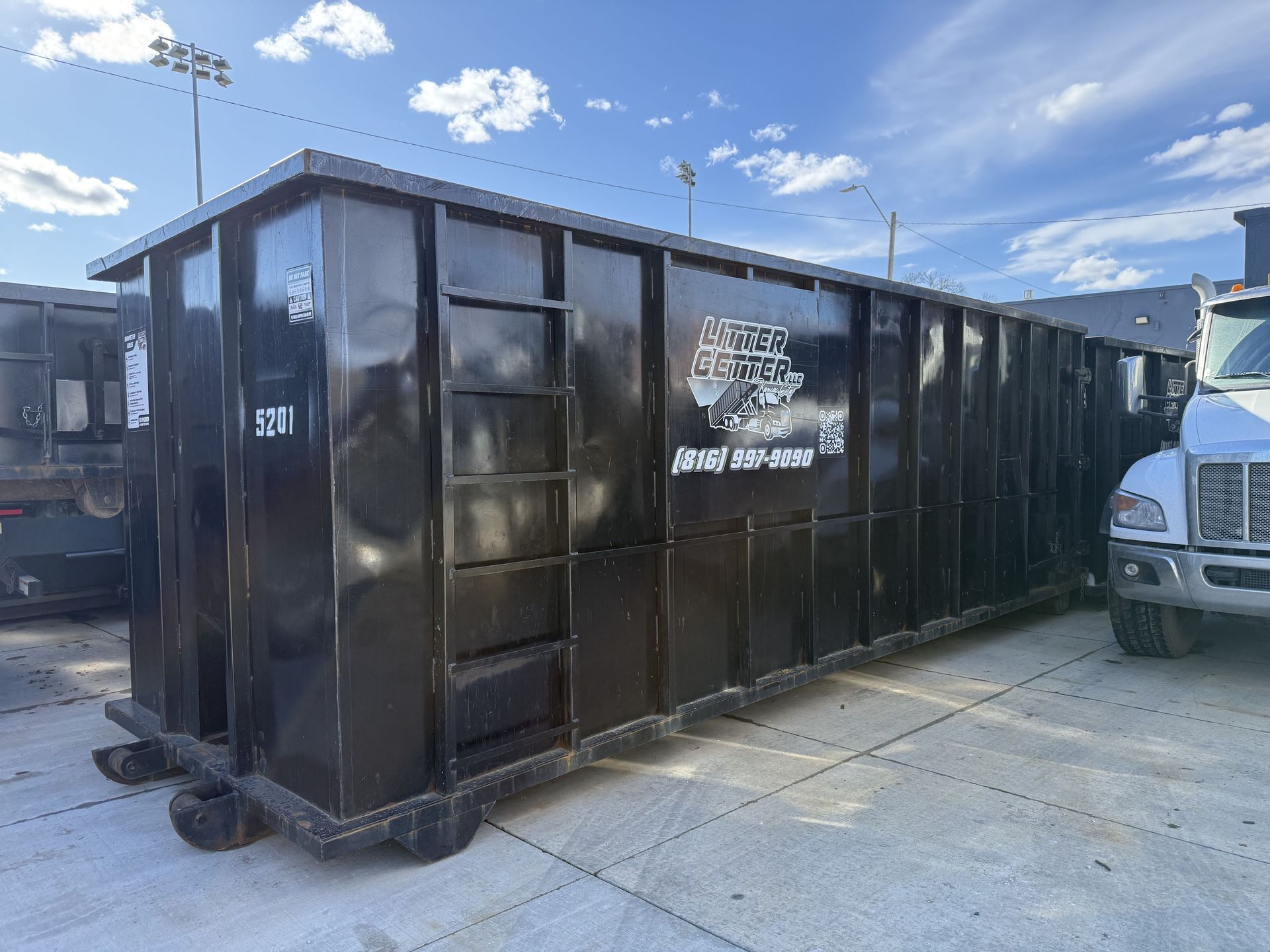
Black metal dumpster trailer parked on a concrete lot under a blue sky, with a truck beside it.
June 30, 2026
Plan a fast weekend purge with temporary dumpster rental in Kansas City, offering same day delivery, multiple sizes, and responsible disposal for any cleanup

Large crowd seated outdoors at a colorful event, with tents and flags in the background.
June 24, 2026
Make post-event cleanup fast and stress free with temporary dumpster rental options for Kansas City events, plus reliable pickup and responsible disposal.
June 19, 2026
Learn how much does a dumpster rental cost? in Kansas City and avoid extra fees with smarter planning, right-sizing, and flexible rental options
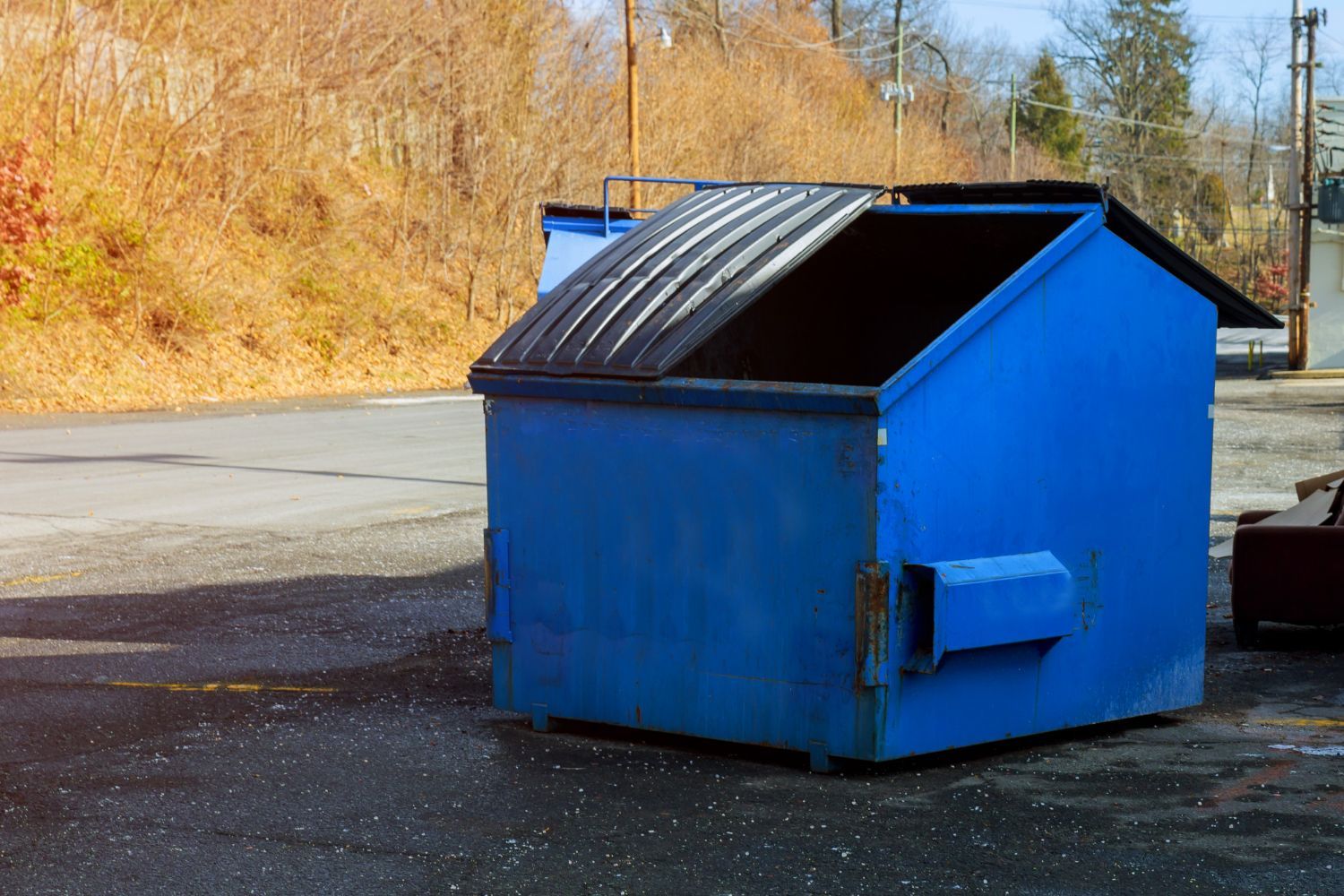
residential dumpster
June 15, 2026
Learn what you can toss after hardscape and backyard demo with a residential dumpster rental in Kansas City, MO plus key local disposal tips.
dumpster rental
June 8, 2026
Save time and trips to the dump with a yard waste dumpster rental in Kansas City, plus reliable service and responsible disposal options for any project.
roll off dumpsters
May 29, 2026
Avoid overage fees and rejected loads with yard waste dumpster rental tips for Kansas City, including sorting brush, dirt, and concrete by weight limits.
yard waste dumpster rental
May 21, 2026
Learn what Kansas City homeowners often overlook, from sizing to pickup timing, and save with a yard waste dumpster rental for seasonal cleanup
Show More