Kansas City Contractor Guide to Dumpster Permits and Right-of-Way Rules
Why Dumpster Compliance Matters for Kansas City Contractors
A job-site dumpster can keep your project moving or bring it to a hard stop. When a container is placed wrong or filled with the wrong materials, it can trigger inspections, warnings, or fines that slow everything down. In busy building months, cities and neighborhoods watch job sites more closely, which means less room for error.
Permits, right-of-way rules, HOA expectations, and even simple things like signage all play into how long you can keep a dumpster on-site and where it can sit. When these pieces are handled early, your crews can stay focused on work instead of scrambling to move a container or fix a violation.
At Litter Getter, LLC, we work across the greater Kansas City area and see these issues every day. We know how local city codes and neighborhood rules affect job-site dumpster rental, and we help contractors plan ahead so projects stay clean, efficient, and fine-free.
Permits and Right-of-Way Basics You Should Know
Before a roll-off ever hits the street, you need to know who controls the ground under it. Rules can change from Kansas City, MO, to nearby cities, and they often treat a driveway very differently from a public street, alley, or easement.
In many areas, you will not need a permit if the dumpster stays fully on private property, like a driveway or private lot, as long as it does not block sidewalks or shared access. Once you place a container in the public right-of-way, such as a street, alley, or public parking lane, local rules often kick in, and a permit may be required. Each jurisdiction sets its own standards, which is why one project may need paperwork and another may not.
Common right-of-way rules often include things like:
- Keeping clear sight lines near intersections and crosswalks
- Staying a safe distance from fire hydrants and driveways
- Leaving room for ADA access on sidewalks and curb cuts
- Limiting how long a dumpster can remain in the street
To stay ahead, contractors can:
- Check the specific city or county website where the job sits
- Call the local permitting or public works office with the exact address
- Talk with the dumpster provider about timing for permits and delivery
When permit questions are handled before the first roll-off is ordered, you avoid last-minute changes that slow crews down.
Smart Dumpster Placement on Busy Kansas City Streets
Placement is about more than just where the container fits. It affects traffic flow, pedestrian safety, site access, and even the surfaces under the dumpster. On busy or narrow streets, a poor placement can bring complaints or force a quick relocation.
Good placement planning looks at:
- Distance from corners and stop signs
- Nearby driveways, mailboxes, hydrants, and utility boxes
- Overhead wires or low tree branches that can block a roll-off truck
- Slope and ground type where the dumpster will sit
On many jobs, it helps to protect the surface under the container with plywood so weight is spread out and concrete, asphalt, or decorative surfaces are less likely to be damaged. This is especially useful in driveways, tight cul-de-sacs, or areas with fresh pavement.
Seasonal patterns also matter. Spring and summer often bring:
- Heavier construction traffic
- School zones with set pick-up and drop-off times
- Street events and parades that affect parking and access
Practical strategies that help keep placement compliant include scheduling delivery and pickups outside of rush hour, clearly marking loading zones with cones or barriers, and confirming ahead of time that a roll-off truck can safely back in, drop the container, and later pick it up without blocking a full lane longer than needed.
HOAs, Job-Site Signs, and Keeping Neighbors on Your Side
Even if the city is fine with your dumpster, a homeowners association might have its own set of rules. Many HOAs care about how long a dumpster sits, where it is placed, and how it looks from the street.
Common HOA expectations can include:
- Placing dumpsters only in driveways or behind buildings, not on streets
- Setting limits on how many days a container can stay
- Restricting early-morning or late-night loading noise
- Rules about large or branded job-site signage near the container
Contractor signs are often allowed, but they can become a problem if they feel cluttered or noisy to neighbors. A simple, clean sign tends to work best, with:
- Company name and contact info
- The general type of work being done
- Expected project time frame
- Clear safety notes like “Stay Back” or “No Unauthorized Dumping”
Good communication goes a long way to avoid complaints and calls to code enforcement. Helpful habits include giving nearby neighbors a quick heads-up before delivery, agreeing on quiet hours for heavy debris work, keeping the dumpster area swept and clear of loose trash, and reacting quickly if you see overflow, windblown debris, or materials left outside the container.
Prohibited Materials and Simple Waste Sorting
Not everything can go into a roll-off. Landfills and local rules restrict certain items, and ignoring those rules can lead to extra fees or even fines. During busy seasons, inspectors and landfill staff tend to watch more closely for problem loads.
Common prohibited materials in many Kansas City area dumpsters often include:
- Tires and large auto parts
- Liquids, including many paints and solvents
- Hazardous chemicals and cleaners
- Batteries and many electronics
- Items with refrigerants, like certain appliances
- Asbestos or suspected asbestos materials
- Some types of landscaping or yard waste, depending on the facility
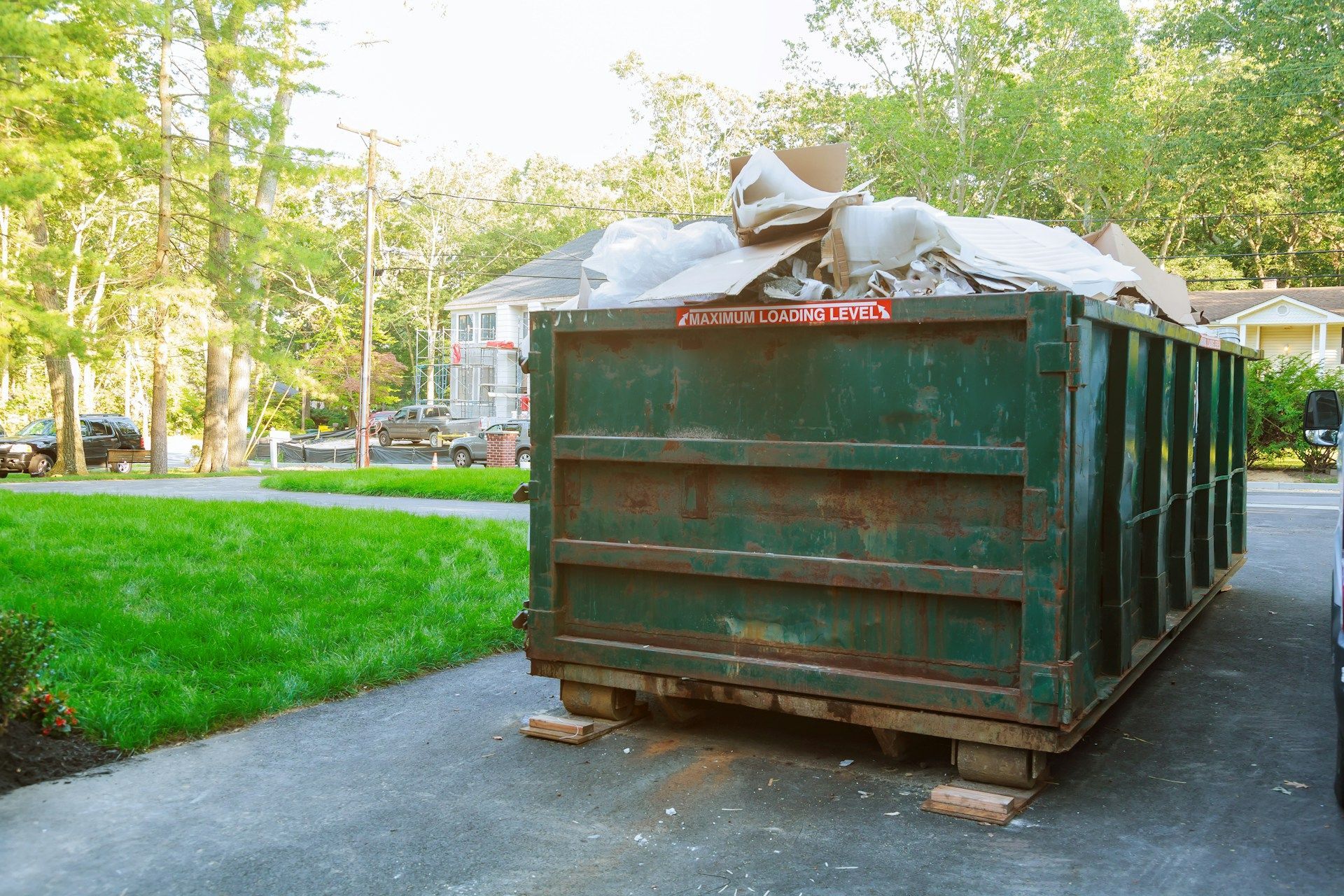
Contamination happens when these items are mixed into normal construction debris. Overfilling or loading above the top rail can also cause issues if material spills into the street or cannot be safely tarped for hauling. When a load is rejected at a landfill or flagged for special handling, it can mean extra time and cost.
A simple on-site waste plan helps keep things clean and compliant:
- Give clear instructions to subs about what can and cannot go in the dumpster
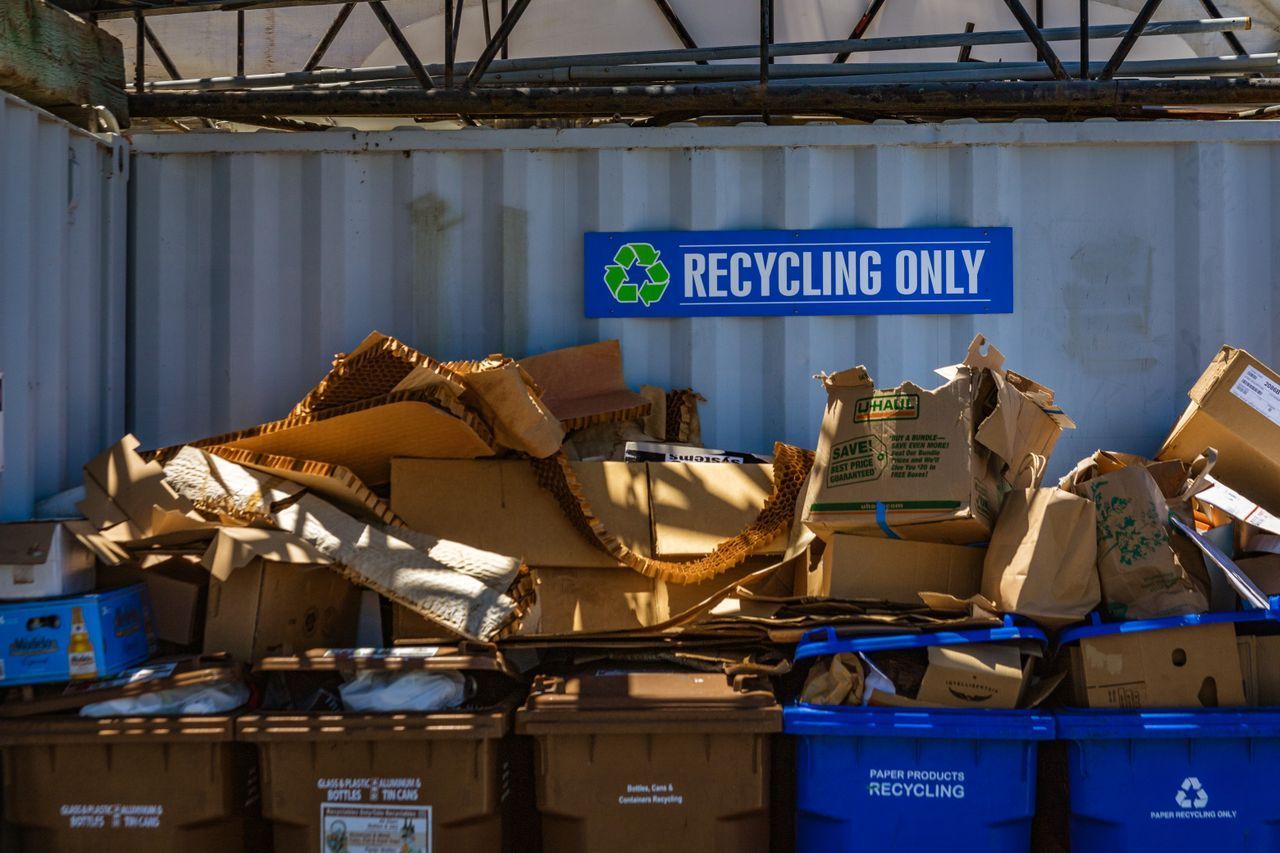
- Set up separate spots or containers for recyclables or hazardous items
- Confirm any special rules with your dumpster provider before the project begins
This small bit of planning keeps you from having to unload problem materials at the last minute when a pickup truck is already on the way.
Building a Repeatable Compliance Checklist
The easiest way to stay compliant across multiple Kansas City jobs is to turn all of this into a simple checklist your team uses every time you order a job-site dumpster rental.
Before delivery, you can:
- Confirm the exact jurisdiction for the job address
- Check if a right-of-way or street permit is needed
- Verify HOA or property management rules
- Choose a placement spot that meets city and HOA standards
- Plan access and turning room for roll-off trucks
During the project, it helps to build daily habits, such as:
- Walking the site to confirm fill levels and that debris is not above the sides
- Watching for illegal dumping or prohibited items being tossed in
- Making sure sidewalks, driveways, and hydrants are clear
- Adjusting cones, signs, or barriers as traffic patterns change
At the end of the project, best practices include scheduling pickup before the container sits unused, checking that only allowed materials are inside, taking a few photos to document conditions, and noting anything that went wrong so you can improve the plan on the next site.
When you use the same checklist for every project, your crews know what is expected, inspectors see a consistent level of care, and dumpsters support the work instead of getting in the way. Litter Getter, LLC focuses on helping contractors across the Kansas City area line up the right size container, plan a safe placement spot, and understand local permit expectations so each job site stays clean, compliant, and ready for the next phase.
Get Started With Your Project Today
If you are ready to keep your worksite clean and running smoothly, we can help you choose the right
job site dumpster rental
for your timeline and debris needs. At Litter Getter, LLC, we focus on straightforward scheduling and reliable placements so your crew can stay on task. Reach out today and we will walk you through options, pricing, and availability. If you have questions or need a custom quote, simply
contact us and we will respond promptly.